
Last week at my Portland dinner party, I watched a guest’s face transform from skepticism to delight after trying pepper jelly with aged manchego for the first time. This sweet-heat condiment has become my secret weapon for elevating everything from casual appetizers to elegant entrées. After years of experimenting in professional kitchens and teaching pairing classes across the Pacific Northwest, I’m sharing my tested combinations that never fail to impress.
Classic Cheese Pairings That Always Work
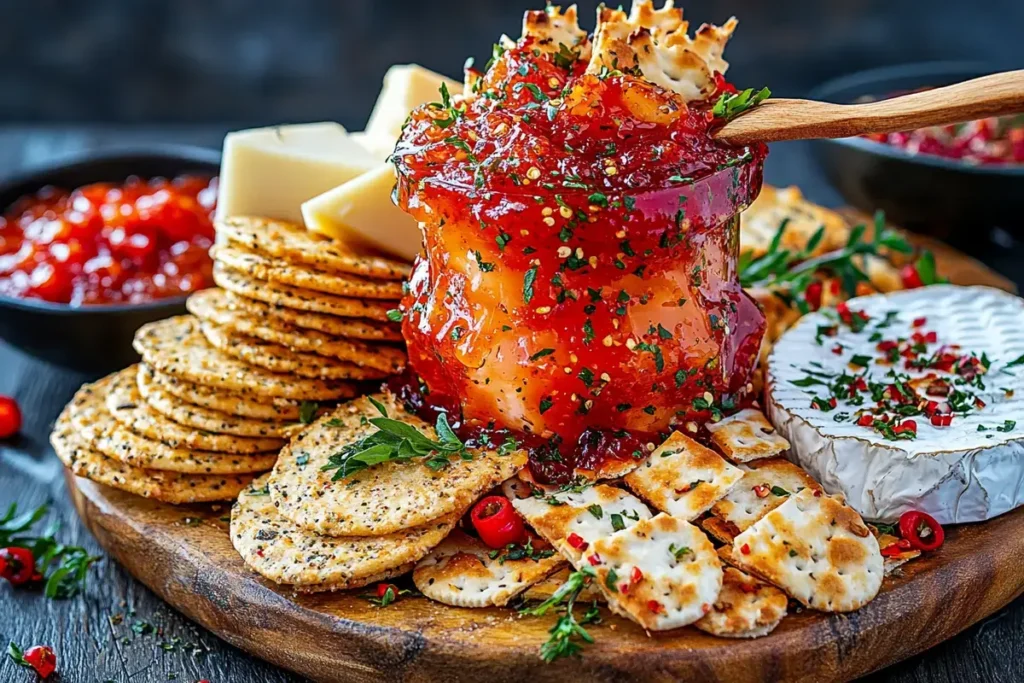
The marriage of pepper jelly and cheese remains the gold standard pairing, and for good reason. Cream cheese topped with pepper jelly has graced Southern appetizer tables for generations, but don’t stop there. Sharp aged cheddars balance beautifully against the jelly’s sweetness, while creamy goat cheese provides a tangy canvas that makes the pepper flavors pop.
My Nashville clients swear by pepper jelly with pimento cheese, while here in Oregon, we’re pairing it with locally made blue cheeses for an unexpected flavor explosion. Brie and pepper jelly wrapped in puff pastry creates an elegant appetizer that disappears within minutes at every gathering.
For serving, bring cheeses to room temperature and add pepper jelly just before serving. The contrast of cool, creamy cheese with room-temperature jelly creates the perfect textural experience.
Meat Applications Beyond Basic Glazing
While pepper jelly makes an exceptional glaze for pork tenderloin and ham, its versatility extends far beyond traditional uses. I brush it on grilled chicken during the last five minutes of cooking for caramelized perfection. Mixed with soy sauce and rice vinegar, it becomes an incredible marinade for salmon that my Seattle customers request weekly.
One game-changing discovery: pepper jelly mixed into ground meat for burgers or meatballs. Use two tablespoons per pound of meat for subtle sweetness and heat throughout. Bacon wrapped around pepper jelly-stuffed dates or water chestnuts creates appetizers that vanish instantly at Texas football gatherings.
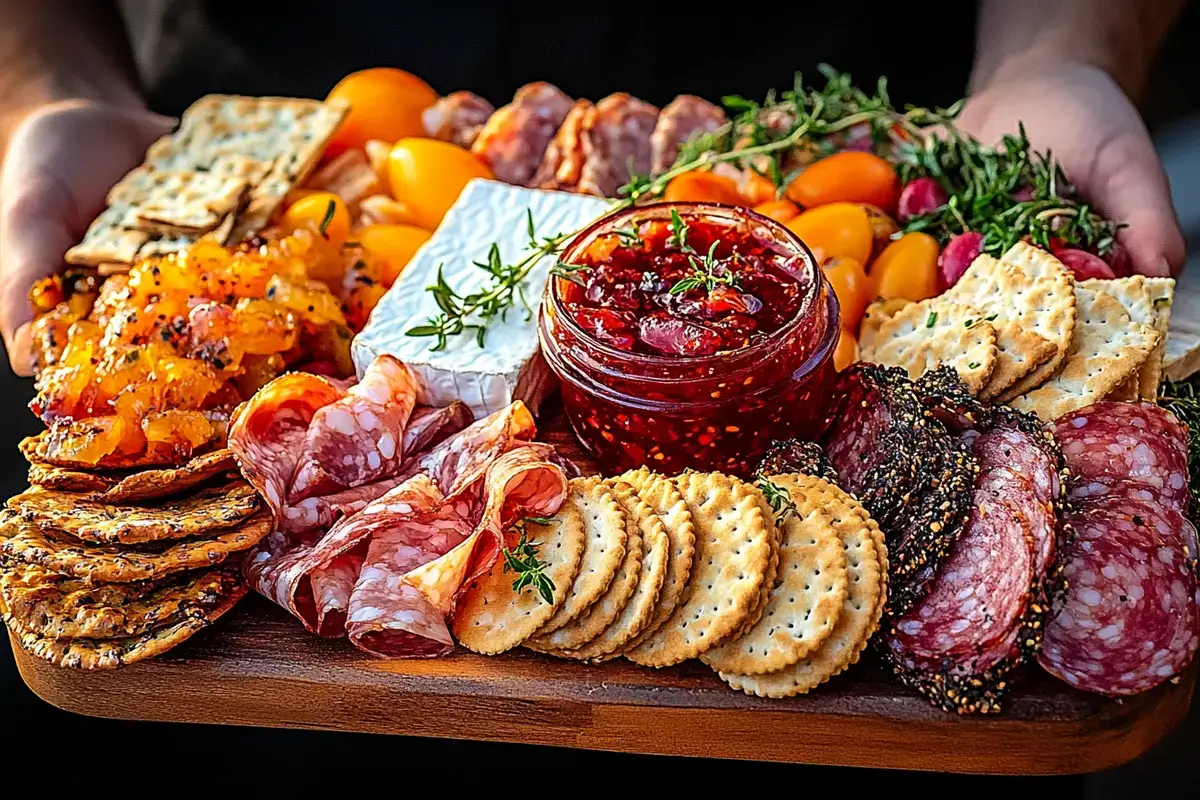
For charcuterie boards, pair pepper jelly with prosciutto, sopressata, or country ham. The salt-sweet combination triggers the same pleasure receptors as chocolate-covered pretzels.
Unexpected Breakfast and Brunch Winners
My Birmingham grandmother would be shocked, but pepper jelly has revolutionized my breakfast offerings. Swirled into Greek yogurt with granola, it creates a sweet-savory parfait that surprises and delights. Spread on buttermilk biscuits with crispy fried chicken, it elevates the classic Southern combination to new heights.
Pepper jelly mixed into scrambled eggs during the last minute of cooking adds subtle complexity. For weekend brunch, I layer it in breakfast sandwiches with bacon, egg, and sharp cheddar on everything bagels. French toast topped with pepper jelly and crispy prosciutto has become my signature dish at Portland food festivals.
Sandwich and Wrap Innovations
The sandwich possibilities are endless. My food truck clients in Austin report that turkey sandwiches with pepper jelly, arugula, and avocado outsell everything else. Grilled cheese with pepper jelly and caramelized onions transforms comfort food into gourmet fare.
For wraps, combine pepper jelly with hummus as a spread base. Add roasted vegetables, feta, and spinach for a Mediterranean-inspired lunch. Cuban sandwiches benefit from a thin layer of pepper jelly alongside traditional mustard, adding complexity without overwhelming classic flavors.
Don’t overlook pepper jelly as a condiment for Vietnamese banh mi it complements pickled vegetables and cilantro beautifully while adding American Southern flair to international cuisine.
Crackers, Breads, and Vessel Selection
The carrier matters as much as the pairing. Water crackers provide neutral platforms letting pepper jelly shine, while whole grain crackers add nutty complexity. Pretzel crisps offer salt that enhances the jelly’s sweetness, creating an addictive combination.
Toasted baguette slices rubbed with garlic make ideal bases for pepper jelly and cheese combinations. Pita chips provide sturdy scooping ability when pepper jelly tops dips. Mini phyllo cups filled with goat cheese and topped with pepper jelly create elegant passed appetizers.
For gluten-free options, cucumber rounds, endive leaves, and sweet potato rounds work beautifully. Rice crackers provide delicate crunch without competing flavors.
Beverage Pairings and Cocktail Applications
Wine pairings depend on pepper jelly heat levels. Mild versions pair with Riesling or Gewürztraminer, while spicier varieties need bold Zinfandels or Syrahs. Beer lovers should try wheat beers or IPAs that complement rather than compete with pepper heat.
In cocktails, pepper jelly revolutionizes classics. Muddle a spoonful into margaritas for sweet heat, or shake with vodka and lime for a unique martini. Bourbon and pepper jelly create an exceptional glaze for cocktail meatballs that double as drink garnish.
FAQs
Q: How much pepper jelly should I serve per person?
A: Plan 2-3 tablespoons per guest for appetizer spreads, less if multiple condiments are offered.
Q: Can pepper jelly replace hot sauce?
A: Yes, but thin with vinegar for drizzling consistency on tacos or eggs.
Q: What’s the best pepper jelly for beginners?
A: Start with mild red pepper varieties before progressing to habanero or ghost pepper versions.
Q: Should pepper jelly be served cold or room temperature?
A: Room temperature for best flavor and spreading consistency, except when used as meat glaze.