
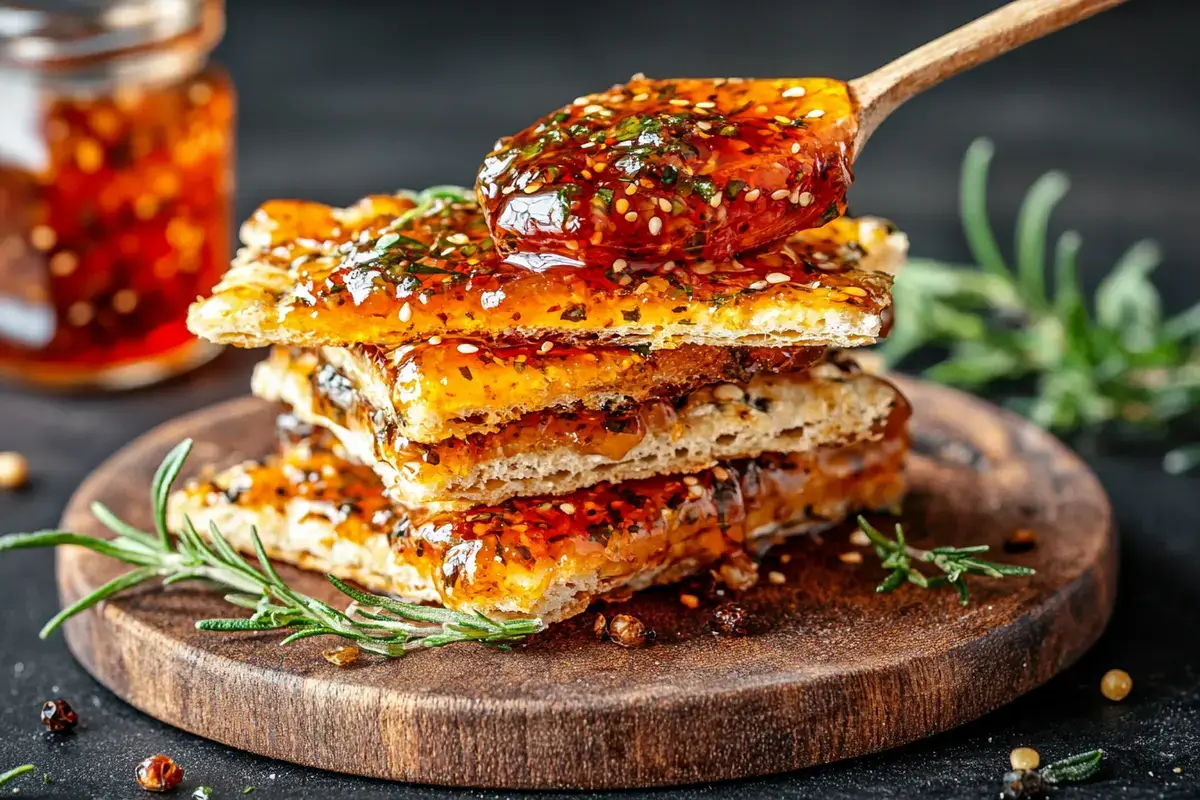
When I first started making pepper jelly in my Austin kitchen fifteen years ago, I questioned every ingredient in my grandmother’s recipe , especially the generous amount of vinegar. After hundreds of batches and teaching countless preserving classes across Texas, I can tell you that vinegar isn’t just important in pepper jelly; it’s absolutely essential for both safety and that signature tangy-sweet flavor we all crave.
The Science of Safe Preservation
Vinegar’s primary role in pepper jelly is creating an acidic environment that prevents dangerous bacteria growth, particularly botulism. The FDA requires all safely canned products to maintain a pH below 4.6, and peppers naturally hover around 5.0-6.0 pH , well into the danger zone.
Most pepper jelly recipes call for 1-2 cups of vinegar per batch, typically white vinegar or apple cider vinegar with 5% acidity. This amount brings the final pH to approximately 3.5-4.0, creating an environment where harmful microorganisms cannot survive. During my certification course with the Texas Agricultural Extension Service, we tested dozens of batches, and those with insufficient vinegar consistently failed safety standards.
Never reduce the vinegar amount in tested recipes , this isn’t about taste preference; it’s about food safety. I’ve seen well-meaning home canners hospitalize family members by “adjusting” acidity levels.
Achieving Perfect Gel Consistency
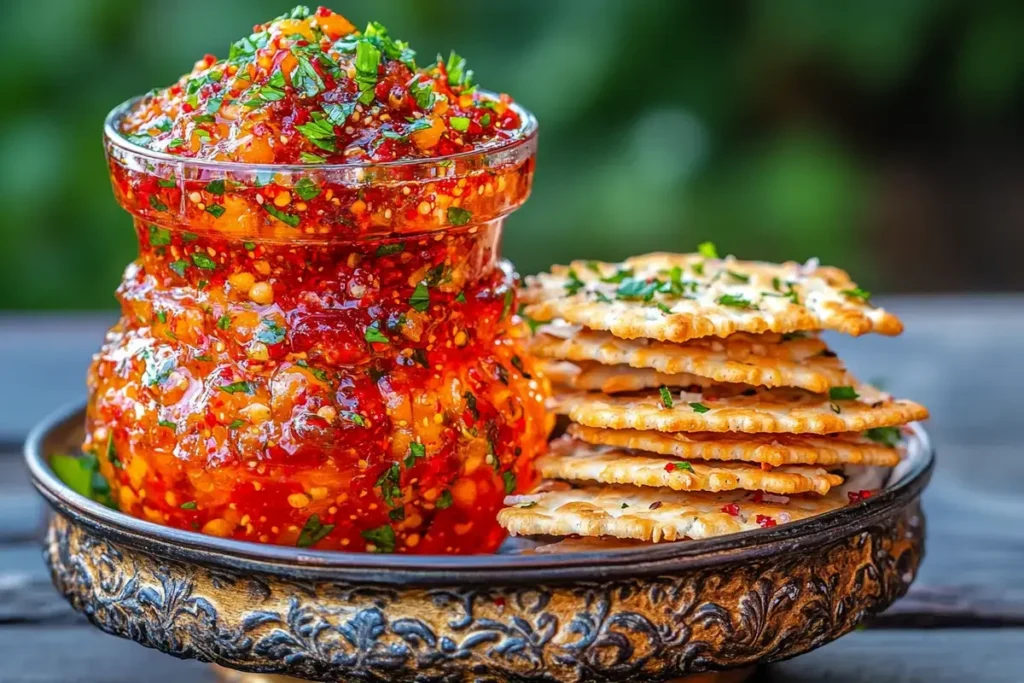
Beyond safety, vinegar plays a crucial role in pectin activation. Pectin, whether natural or commercial, requires specific acidity levels to form proper gel structures. The acid in vinegar helps pectin molecules bond together, creating that perfect spreadable consistency we expect from pepper jelly.
Without adequate acid, your jelly remains syrupy regardless of how much pectin you add. I learned this the hard way during my early days when I tried making a “mild” version with less vinegar , I ended up with expensive pepper syrup that never set properly.
The magic happens at a pH between 3.0-3.5, where pectin reaches optimal gelling capacity. Commercial pectin manufacturers design their products specifically for this acid range, which is why following vinegar measurements precisely yields consistent results.
Flavor Balance and Enhancement
Here’s what many beginning jelly makers don’t realize: vinegar doesn’t just preserve and gel , it’s the backbone of pepper jelly’s addictive flavor profile. That sharp acidity cuts through the intense sweetness (most recipes use 5-6 cups of sugar), creating the balanced sweet-heat-tang combination that makes pepper jelly irresistible.
Apple cider vinegar adds subtle fruitiness that complements both sweet bell peppers and hot varieties like jalapeños or habaneros. White vinegar provides clean acidity without additional flavors, letting the peppers shine. Rice vinegar, popular in California and Pacific Northwest kitchens, offers delicate sweetness that works beautifully with Asian-inspired pepper combinations.
In my Houston classes, I demonstrate how the same pepper mixture tastes cloying and one-dimensional without vinegar, but becomes complex and craveable with proper acidity.
Regional Preferences and Variations
Across America, I’ve noticed distinct regional vinegar preferences in pepper jelly making. Southern states, particularly Louisiana and Georgia, often use white vinegar exclusively for its neutral profile. Meanwhile, New England jelly makers frequently incorporate apple cider vinegar, embracing its orchard fruit notes.
Here in Texas, we’re seeing innovative makers experiment with champagne vinegar for upscale versions sold at farmers’ markets in Dallas and Austin. Some artisanal producers in Portland and Seattle are using kombucha vinegar for probiotic benefits, though this requires careful pH testing due to variable acidity levels.
Professional Tips for Vinegar Use
After teaching hundreds of students, these are my non-negotiable vinegar rules:
Always use vinegar with confirmed 5% acidity , check the label. Homemade or artisanal vinegars vary wildly in acid content and aren’t safe for canning without professional testing.
Add vinegar at the beginning of cooking, not the end. This ensures even distribution and proper pectin activation throughout the cooking process.
If your jelly tastes too acidic, don’t reduce vinegar in future batches. Instead, balance with an extra ¼ cup sugar or add sweet pepper varieties to your mix.
Store opened vinegar properly , acidity can decrease over time if exposed to air. I replace my canning vinegars annually to ensure consistent results.
The Bottom Line
Vinegar in pepper jelly serves three critical functions: ensuring safe preservation through proper acidity, activating pectin for perfect gel formation, and balancing flavors for that signature sweet-tangy-spicy profile. Skipping or reducing vinegar compromises both safety and quality, potentially creating dangerous products that won’t set properly or taste right.
FAQs
Q: Can I substitute lemon juice for vinegar?
A: Yes, but use equal amounts of bottled lemon juice (never fresh) to maintain consistent acidity.
Q: Why does my recipe specify vinegar type?
A: Different vinegars affect flavor; tested recipes ensure both safety and taste balance.
Q: Can I use balsamic or wine vinegar?
A: Only if they’re labeled 5% acidity, though dark vinegars may discolor your jelly.
Q: What happens with too much vinegar?
A: Excess vinegar prevents gelling and creates overly tart jelly that won’t set properly.