
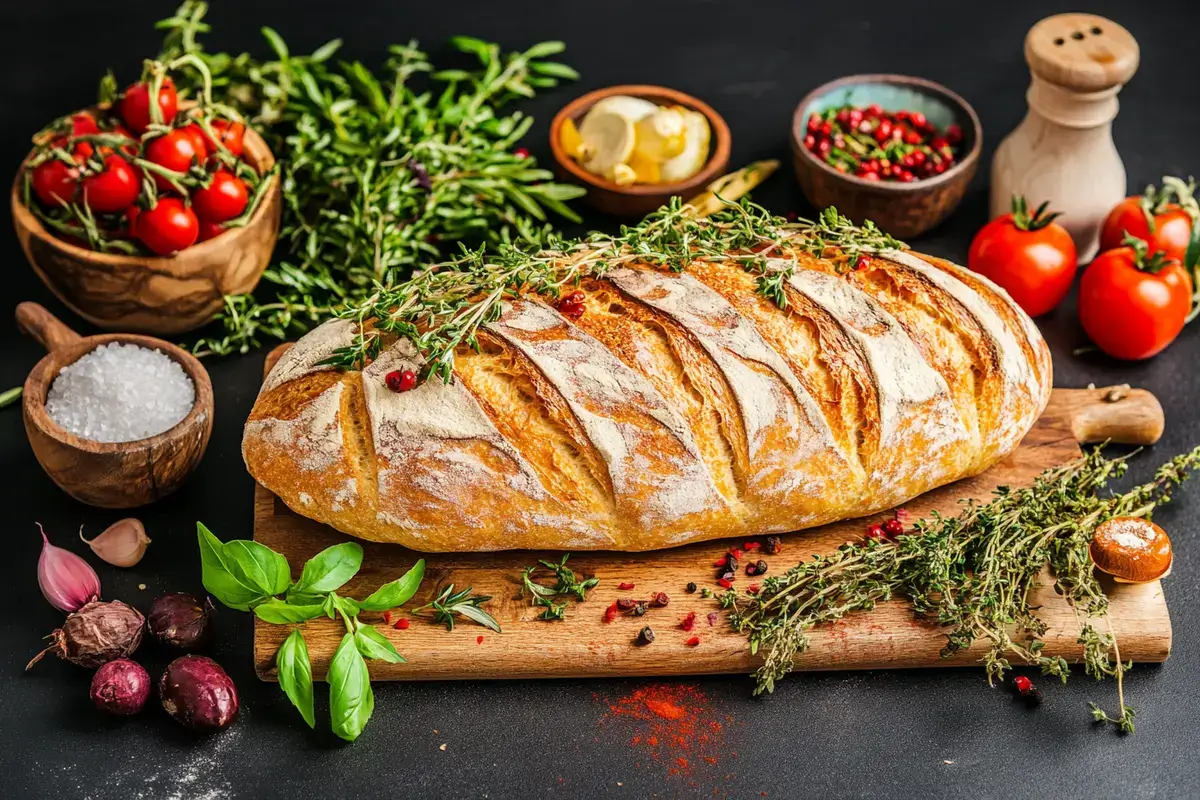
Hi there, it’s Jessika from BoldyRecipes.com! As a chef who’s worked with artisan bakeries from San Francisco to New York, I often get asked about the health benefits of different bread types. Today, let’s clear up the confusion about ciabatta and how it stacks up nutritionally against other popular breads you’ll find in American supermarkets.
Understanding Ciabatta’s Nutritional Profile
First, let’s establish that ciabatta IS bread specifically, an Italian white bread that gained popularity in U.S. bakeries during the 1990s. The real question is whether ciabatta offers better nutritional value than standard sandwich bread or other varieties.
Traditional ciabatta contains just four ingredients: flour, water, salt, and yeast. A typical 2-ounce serving provides approximately 140 calories, 1 gram of fat, 26 grams of carbohydrates, 1 gram of fiber, and 5 grams of protein. Compare this to standard white sandwich bread, which often contains added sugars, preservatives, and dough conditioners.
The Hydration Advantage
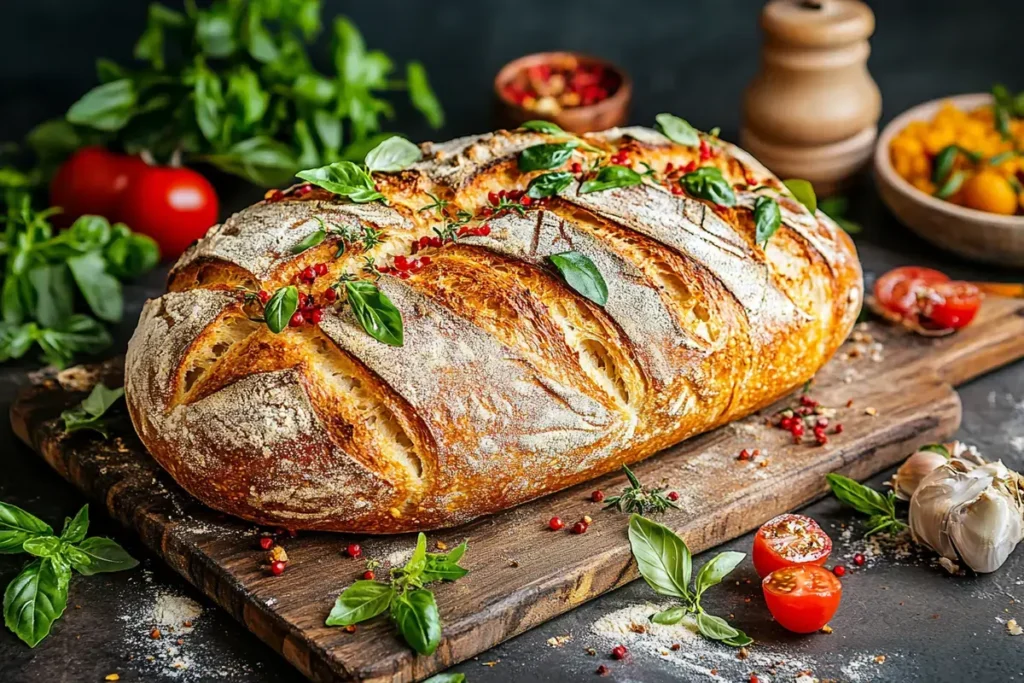
What sets ciabatta apart is its high hydration level typically 75-80% water to flour ratio. This creates its signature open crumb structure with large air pockets. From my experience developing recipes in my Denver test kitchen (where altitude affects bread-making significantly), this higher water content means you’re consuming less actual flour per slice, potentially reducing calorie density.
The airy structure also affects how your body processes the bread. Those characteristic holes mean less dense carbohydrates per bite, which can influence blood sugar response though it’s not as significant as switching to whole grain options.
Comparing Ciabatta to Common Breads
Versus White Sandwich Bread:
Ciabatta typically contains fewer additives and preservatives. Most American sandwich breads include high fructose corn syrup, while authentic ciabatta doesn’t contain any added sugars. However, both are made with refined white flour, offering similar glycemic impacts.
Versus Whole Wheat Bread:
Nutritionally, 100% whole wheat bread wins. It provides 3-4 times more fiber, more B vitamins, and minerals like iron and magnesium. Whole wheat’s fiber content (about 3-4 grams per slice versus ciabatta’s 1 gram) supports digestive health and provides longer satiety.
Versus Sourdough:
Fermented sourdough edges out ciabatta health-wise. The fermentation process creates prebiotics, lowers glycemic index, and makes nutrients more bioavailable. Some people with mild gluten sensitivities find sourdough easier to digest than ciabatta.
The Portion Size Factor
Here’s what many overlook: ciabatta’s shape naturally controls portions. A ciabatta roll typically weighs 2-3 ounces, while it’s easy to use two slices of sandwich bread (totaling 3-4 ounces) for a sandwich. This built-in portion control can support weight management goals.

Making Healthier Ciabatta Choices
Through my collaborations with bakeries across the Midwest, I’ve discovered these tips for choosing healthier ciabatta:
Look for Whole Grain Versions: Some artisan bakeries now offer whole wheat or multigrain ciabatta, combining traditional texture with added nutrition.
Check Sodium Content: Ciabatta can be high in salt (300-400mg per serving). Compare brands and choose lower-sodium options when available.
Buy Fresh, Local: Farmers market ciabatta from local bakeries often lacks the preservatives found in supermarket versions. I source mine from a beloved Boulder bakery that uses organic flour.
Consider Serving Size: Use ciabatta’s sturdy structure to make open-faced sandwiches, automatically halving your bread intake.
The Bottom Line
Ciabatta isn’t inherently healthier than all breads it depends on your comparison point and health goals. It’s marginally better than processed white sandwich bread due to fewer additives and simpler ingredients. However, it doesn’t match the nutritional benefits of whole grain breads, sprouted grain varieties, or fermented sourdough.
For my clients seeking weight management, I recommend ciabatta as an occasional treat rather than a daily staple. Its satisfying texture and authentic flavor make it worth enjoying mindfully, perhaps with a drizzle of heart-healthy olive oil and fresh tomatoes at your next dinner party.

FAQs
Q: Is ciabatta good for weight loss?
A: Not particularly it’s still refined carbs with minimal fiber. Choose whole grain breads for better satiety.
Q: Does ciabatta have less gluten?
A: No, it contains similar gluten levels to other wheat breads, making it unsuitable for celiac disease.
Q: Is ciabatta easier to digest?
A: Its airy structure might feel lighter, but it’s not significantly easier to digest than other white breads.
Q: What’s the healthiest bread choice?
A: Sprouted grain or 100% whole grain sourdough provides maximum nutritional benefits and digestive support.