
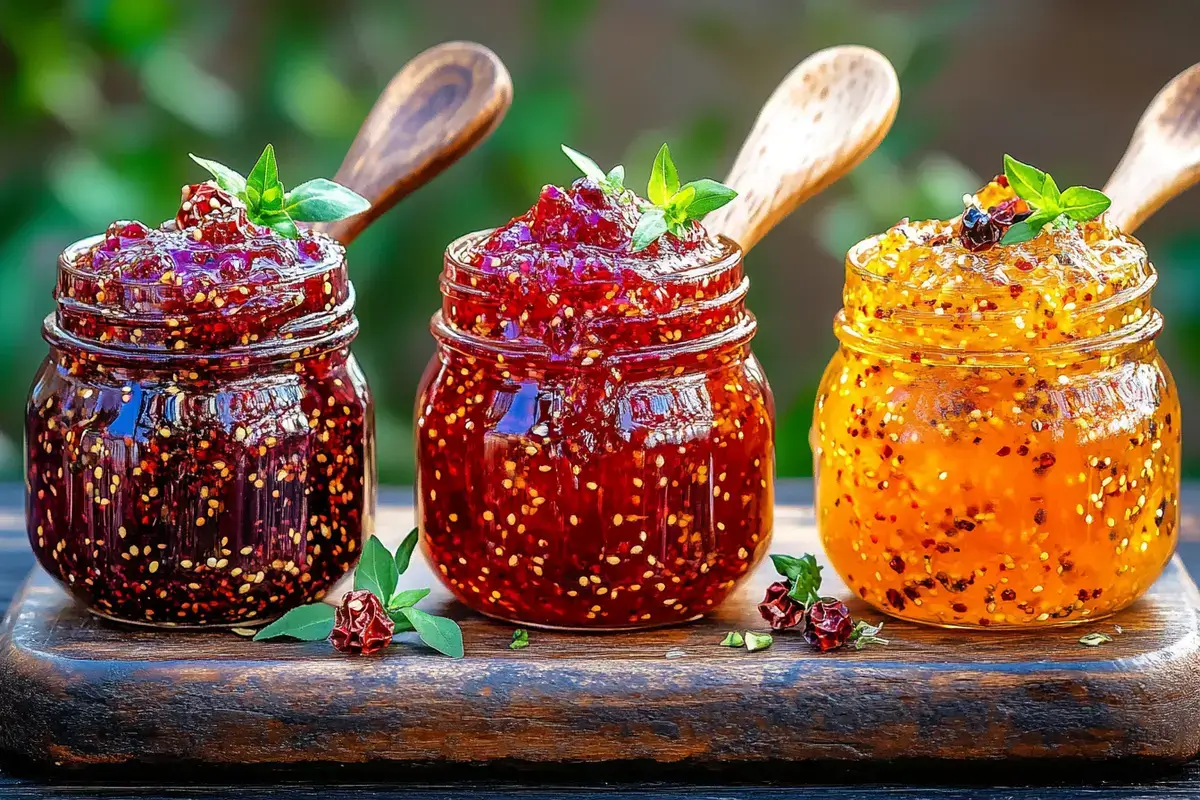
During my recent visit to Charleston’s famous farmers’ market, I overheard a heated debate between two vendors about whether their products were “jam” or “jelly.” This confusion isn’t unique , I receive this question weekly from readers at BoldyRecipes.com. After spending two decades perfecting preserves in professional kitchens from Seattle to Miami, I’m here to settle this delicious debate once and for all.
The Fundamental Texture Difference
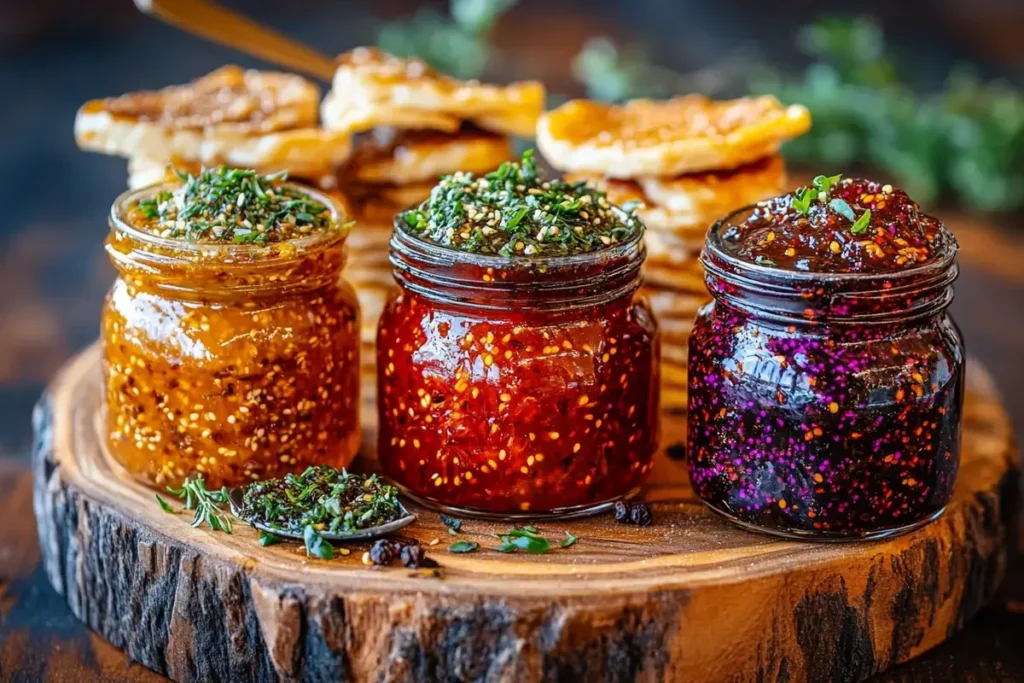
The primary distinction between pepper jam and pepper jelly lies in their texture and how they’re made. Pepper jelly is crystal clear, smooth, and translucent , achieved by straining out all pepper pieces and seeds during production. When properly made, you should be able to see through pepper jelly when held up to light, like stained glass in your grandmother’s pantry.
Pepper jam, conversely, contains visible pieces of peppers throughout, creating a chunky, rustic texture similar to traditional fruit jams. Those beautiful red and green pepper flecks aren’t just decorative , they provide textural interest and burst of fresh pepper flavor in every bite.
In my Portland test kitchen, I demonstrate this difference by spreading both on crackers. Jelly provides a smooth, uniform coating, while jam offers varied texture with delightful pepper pieces that add complexity to each bite.
Production Methods: The Technical Distinction
The production process fundamentally differs between these two preserves. For pepper jelly, I cook peppers with vinegar and sugar, then strain the mixture through cheesecloth or a fine-mesh strainer, sometimes multiple times. Only this clarified liquid gets combined with pectin for the final gel. The process takes patience , rushing the straining results in cloudy jelly that won’t win any county fair ribbons.
Pepper jam production is more straightforward but requires careful attention to consistency. I finely chop or pulse peppers in a food processor, keeping pieces uniform but visible. These pieces cook directly in the sugar-vinegar mixture, never strained out. The natural pectin from pepper skins, combined with added pectin, creates a spreadable consistency while maintaining those signature chunks.
Temperature control matters more for jam , overcooking breaks down pepper pieces into mush, while undercooking leaves them too firm and raw-tasting.
Flavor Profile and Intensity Variations
Through years of side-by-side tastings at food festivals across Texas, I’ve noticed consistent flavor differences. Pepper jelly typically offers cleaner, more concentrated pepper essence since the straining process removes any bitter seeds or tough skins. The flavor hits your palate uniformly, making it ideal for glazing meats or incorporating into sauces.
Pepper jam delivers more complex, layered flavors. Those pepper pieces release flavor at different rates as you eat, creating what sommeliers might call “flavor evolution.” The seeds occasionally left in jam add subtle heat bursts, while pepper skins provide slight bitterness that balances the sweetness beautifully.
Regional Preferences Across America
Geographic preferences for jam versus jelly are fascinating. Traditional Southern states, particularly Georgia and Alabama, overwhelmingly prefer clear pepper jelly , it’s considered more refined for entertaining. My Nashville customers specifically request crystal-clear jelly for their cheese boards, viewing cloudiness as a flaw.
Meanwhile, West Coast markets, especially in California’s artisanal food scene, embrace chunky pepper jams. Farm-to-table restaurants in San Francisco and Los Angeles specifically seek jams with visible ingredients, aligning with their “transparent food” philosophy.
The Midwest splits down practical lines , home canners prefer jam since it’s more forgiving to make, while gift-givers choose jelly for its jewel-like appearance.
Best Uses for Each Preserve
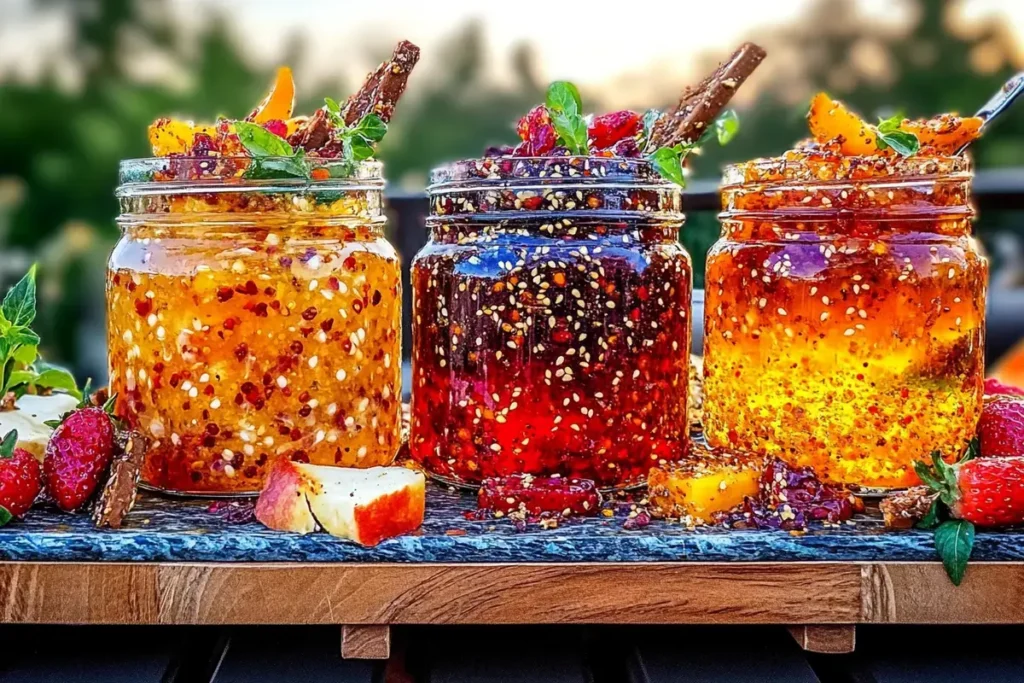
After catering hundreds of events, I’ve learned optimal applications for each preserve. Pepper jelly excels as:
- Glaze for roasted meats (especially pork tenderloin)
- Mix-in for cream cheese appetizers
- Cocktail ingredient (try it in margaritas)
- Finishing sauce component where smooth texture matters
Pepper jam shines when:
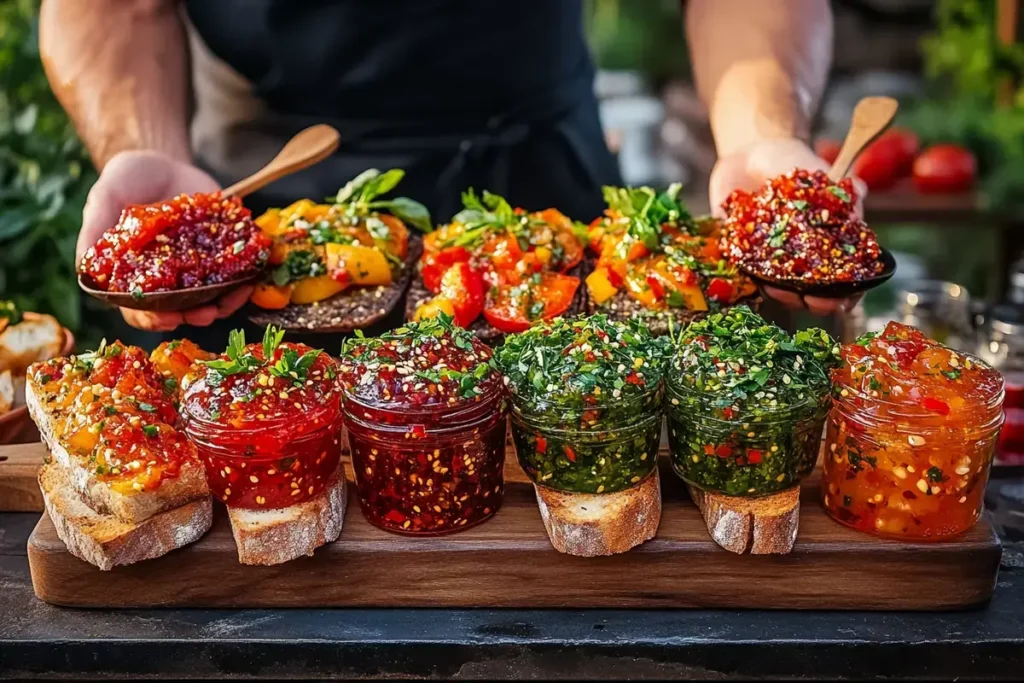
- Spread on sandwiches or burgers
- Paired with strong cheeses on charcuterie boards
- Mixed into grain bowls or Buddha bowls
- Used as a condiment where texture adds interest
Storage and Shelf Life Considerations
Both preserves share similar storage requirements, but slight differences exist. Properly canned pepper jelly, with its strained consistency, typically maintains quality for 18-24 months unopened. The absence of solid pieces means less chance of separation or quality degradation.
Pepper jam’s shelf life runs slightly shorter at 12-18 months, as the pepper pieces can occasionally separate or soften over extended storage. Once opened, both require refrigeration and last 2-3 months, though jam may develop slight texture changes as pepper pieces continue absorbing liquid.
FAQs
Q: Which is easier to make at home?
A: Pepper jam , no straining required and more forgiving if consistency isn’t perfect.
Q: Can I substitute jam for jelly in recipes?
A: Usually yes, but strain jam if the recipe requires smooth consistency.
Q: Which has more calories?
A: They’re virtually identical, both containing approximately 50 calories per tablespoon.
Q: Is one more expensive than the other?
A: Jelly often costs more due to labor-intensive straining and lower yield from the same pepper amount.