
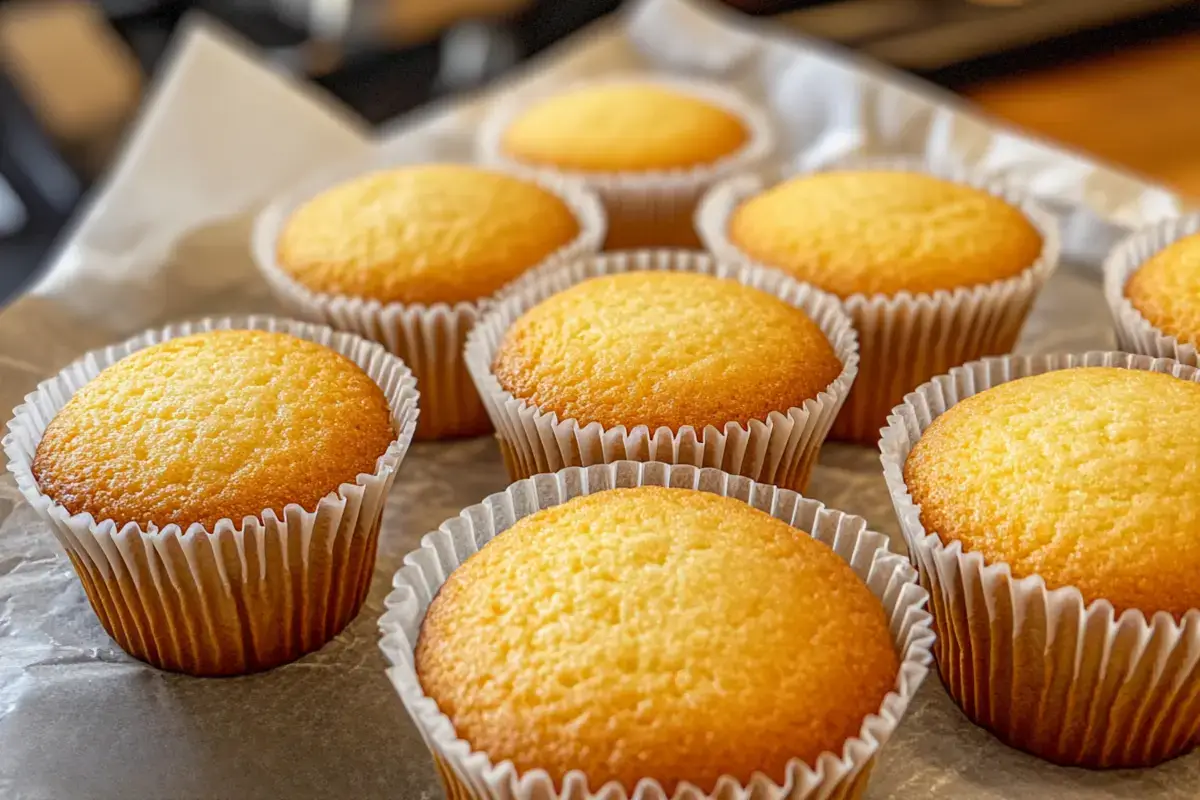
Discover the best egg substitutes for moist, fluffy gluten-free cupcakes. Learn how to pick, use, and perfect each alternative.
Welcome to a comprehensive guide on egg replacements tailored for gluten-free baking enthusiasts. Eggs are often central to cupcake recipes, but many bakers need alternatives. Sometimes it’s due to dietary restrictions, allergies, or personal preference. Regardless of your motivation, choosing the right egg replacer can be daunting. However, you’ll soon see that multiple options exist to help you produce cupcakes that are airy, tender, and full of flavor.
Below, you’ll find all the essential tips and insights to make your egg-free, gluten-free cupcakes a sweet success. We’ll explore popular substitutes like aquafaba, flax eggs, applesauce, and more. We’ll also go over creative alternatives, pro tips, and potential pitfalls. By the end, you’ll have plenty of confidence and inspiration to bake delicious, fluffy treats every time.
Introduction
Eggs play a crucial role in traditional baking. They help bind ingredients together, provide leavening for a proper rise, and deliver moisture that prevents dryness. Nonetheless, many people need or prefer to avoid eggs. Gluten-free baking complicates matters further because wheat flour is absent, so we rely on alternate flours. These flours often have different textures or moisture retention properties. Consequently, you might worry that omitting eggs will make it impossible to achieve the right consistency.
Chiefly, the good news is that you can still create beautiful cupcakes without eggs. Equally important is knowing which egg replacer suits your recipe. Selecting the appropriate alternative avoids dryness and ensures a soft crumb. Furthermore, it keeps the sweetness and richness that define a classic cupcake.
Understanding the Role of Eggs in Baking
Eggs as binders
Eggs in cupcakes help bind dry and wet ingredients. They ensure the batter holds together when baked. Eventually, this helps retain structure. Comparatively, if you remove eggs, you risk cupcakes that fall apart. Hence, you must choose a substitute with similar binding power.
Eggs as leavening agents
Eggs also trap air bubbles during mixing, contributing to lightness and volume. Therefore, they play a vital role in making cupcakes rise. Subsequently, an egg alternative that can mimic that airy rise is necessary to produce fluffy results.
Eggs for moisture and flavor
In many recipes, eggs provide moisture and a subtle rich flavor. Accordingly, you must consider how an egg replacer will affect taste and texture. Some alternatives have neutral flavors, while others might introduce a fruity or nutty note.
When gluten-free recipes meet egg-free needs, the synergy requires additional planning. Nonetheless, with the right approach, you can satisfy every dietary restriction without sacrificing taste or presentation.
Key Criteria to Consider When Choosing an Egg Substitute
- Taste
Particularly, if you use fruit-based replacements like applesauce, banana, or pumpkin puree, the flavor might stand out. Therefore, opt for neutral-tasting substitutes if you want a classic vanilla or chocolate flavor to dominate. - Texture
Some egg alternatives may produce denser cupcakes or add extra moisture. Hence, understanding the properties of your chosen substitute prevents disappointing results. Chia seeds, for example, add thickness, whereas yogurt keeps things soft. - Nutritional Value
Equally, certain substitutes offer added nutrients. Flax eggs provide fiber and healthy fats. Nonetheless, if you prefer a lower-calorie approach, aquafaba might be appealing because it’s basically the leftover brine from chickpeas. - Dietary Restrictions
Furthermore, check if your chosen substitute is vegan, nut-free, or soy-free. This step prevents cross-allergen issues. Likewise, read labels if you purchase commercially processed alternatives.
Careful consideration of these factors helps you find an egg replacement that fits your specific recipe and dietary needs. Undoubtedly, exploring different options can be a fun culinary adventure.
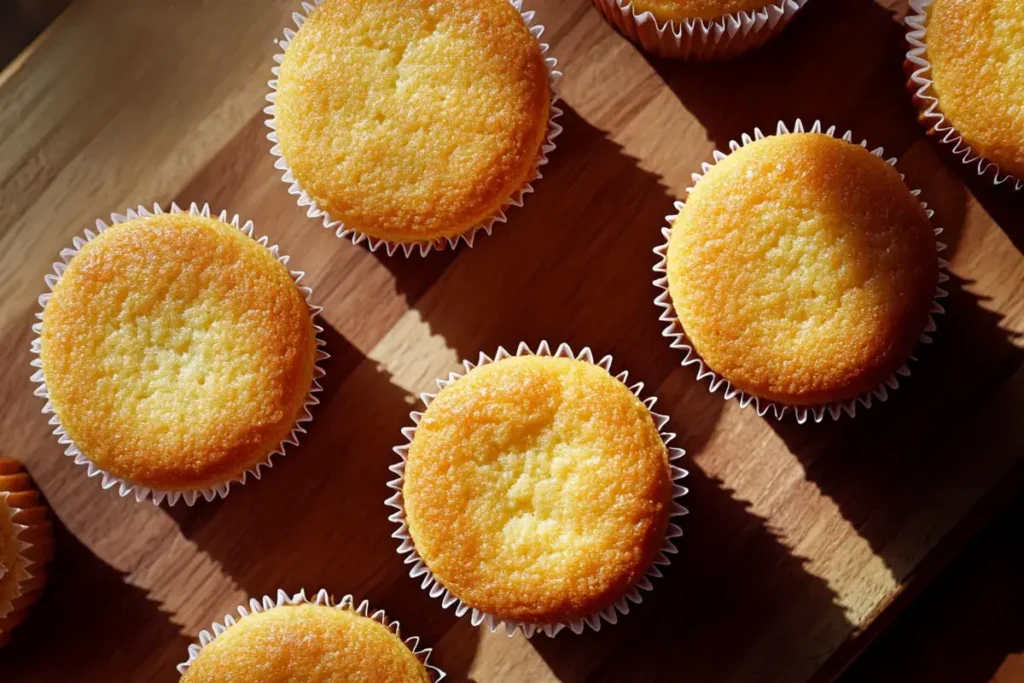
What is a good egg substitute for gluten-free cupcakes?(1)
Finding a suitable replacement can be challenging, but there are a variety of proven solutions. Indeed, aquafaba, flax eggs, applesauce, yogurt, and silken tofu are popular choices. Each behaves differently in a recipe. Likewise, each has unique benefits and drawbacks.
- Aquafaba
- Aquafaba is the liquid from canned chickpeas.
- Altogether, it can be whipped into a foam, mimicking egg whites.
- Eventually, it helps trap air and create a light, fluffy texture.
- Flax Eggs
- Made by mixing ground flaxseed with water.
- Forms a gel-like consistency.
- Basically, it binds ingredients well while offering extra nutrients.
- Applesauce
- A fruit purée that adds moisture.
- Comparatively, more suitable for sweet recipes since it imparts a mild apple flavor.
- Nevertheless, it’s best paired with cinnamon, chocolate, or vanilla.
- Yogurt
- Provides creaminess and moisture.
- Specifically, use non-dairy yogurt if you’re avoiding all animal products.
- The tang can complement fruity cupcake flavors.
- Silken Tofu
- Blended silken tofu becomes smooth and creamy.
- However, it can make batters dense if overused.
- Pairs best with rich cocoa or strong extracts.
Each alternative has a distinct personality, so your choice depends on the flavor profile and texture you desire. Comparatively, aquafaba excels at airy lift, flax eggs help with binding, and applesauce brings gentle sweetness.
Additional Creative Egg Substitute Ideas
Another approach is to think outside the box. Specifically, certain ingredient combinations like vinegar and baking soda can replicate the leavening properties of eggs.
- Vinegar + Baking Soda
- Initially, mix them just before adding to the batter.
- A chemical reaction releases carbon dioxide, creating lift.
- Hence, it’s an excellent method for light and fluffy cupcakes, particularly with cocoa-based recipes.
- Mashed Banana
- Banana purée can replace eggs in sweet baked goods.
- Comparatively, use ripe bananas for maximum sweetness.
- Nonetheless, be prepared for a mild banana taste.
- Chia Seeds
- Similar to flax eggs, chia seeds form a gel when combined with water.
- Likewise, they help bind and thicken batters.
- Generally, best for recipes that can handle slight texture changes.
- Pumpkin Puree
- Adds moisture and color.
- Equally, complements fall-inspired flavors like pumpkin spice or nutmeg.
- Subsequently, you might reduce other liquids if using large amounts.
These creative ideas open the door to endless possibilities. Eventually, you’ll discover a favorite that fits your personal style. Consequently, it can be fun to experiment with multiple substitutes in different cupcake recipes.
What is a good egg substitute for gluten-free cupcakes?(2)
When you’re ready to put these substitutes into practice, consider how to integrate them effectively:
- Step-by-Step Guide for Incorporating Substitutes
- Initially, choose a substitute that aligns with your recipe’s dominant flavors.
- Combine the substitute correctly (e.g., whisk aquafaba, soak flax seeds).
- Eventually, add it to your batter as you would eggs, making sure to maintain the same liquid ratio.
- Dosage Recommendations
- 3 tablespoons of aquafaba often equal one egg.
- 1 tablespoon of ground flaxseed + 3 tablespoons of water equals one egg.
- ¼ cup of applesauce or yogurt is generally an acceptable stand-in.
- Moreover, test small batches for best results.
- Balancing Flavors
- Chiefly, applesauce or banana can overshadow subtle flavors.
- Hence, use extracts or spices to maintain a balanced taste.
- If you’re using tofu, nonetheless, add sweeteners or strong flavorings to mask any bean-like aftertaste.
By following these steps, you’ll get consistent outcomes that replicate the moisture and lightness eggs usually provide. Ultimately, practice will help you refine your method for each unique recipe.
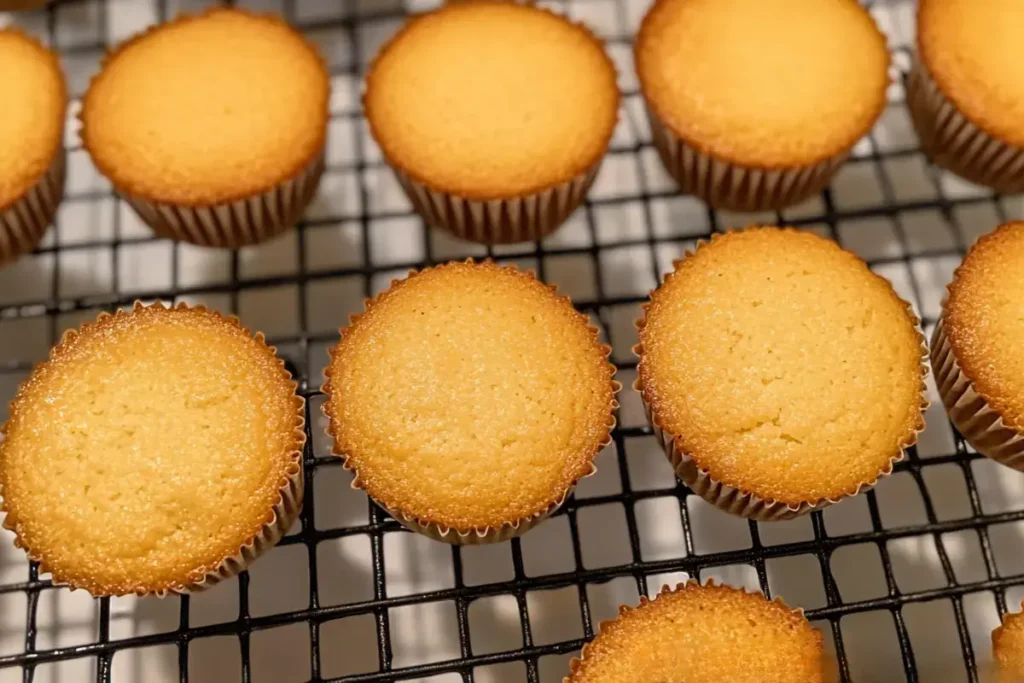
Pro Tips for Perfect Gluten-Free Cupcakes
Now that you’ve narrowed down your potential substitutes, it’s time to polish your technique:
- Ensuring Proper Batter Consistency
- Comparatively, gluten-free batters can be trickier to balance.
- If your mix is too thick, add a splash of non-dairy milk or water.
- If it’s runny, add a bit more of your gluten-free flour blend.
- Selecting the Right Oven Temperature and Baking Time
- Generally, most cupcake recipes bake well at around 350°F (175°C).
- Check doneness by inserting a toothpick in the center.
- Likewise, consider your substitute’s moisture level; tofu-based batters might need extra baking time.
- Mixing Methods
- Comparatively, overmixing leads to dense cupcakes.
- Use a gentle folding method once your wet and dry ingredients combine.
- Further, let the batter rest briefly so starches can hydrate before baking.
If you follow these tips, undoubtedly, you’ll achieve scrumptious cupcakes. Equally, keep track of any modifications, so you can replicate or refine your method next time.
What is a good egg substitute for gluten-free cupcakes?(3)
Despite your best efforts, issues may arise. Therefore, troubleshooting is key to getting consistent results:
- Avoiding Dryness
- If your cupcakes turn out too dry, add a bit more fat or a moist substitute like applesauce next time.
- Especially, pay attention to how the batter feels before baking.
- Preventing Gumminess
- Conversely, too much moisture or overmixing can produce a gummy texture.
- Hence, measure liquids carefully and use exact proportions.
- Eventually, let your cupcakes cool completely before deciding if they are underbaked.
- Enhancing Taste and Presentation
- Additionally, top your cupcakes with flavored frosting or fruit compote.
- Consequently, these decorative elements can mask minor imperfections in flavor or texture.
- For special occasions, consider piping buttercream or sprinkling chopped nuts.
Armed with these strategies, you’ll find your gluten-free, egg-free cupcakes get better with every attempt. Ultimately, knowledge and practice build confidence and skill in the kitchen.
Common Mistakes and How to Avoid Them
- Overmixing Gluten-Free Batters
- Basically, stirring too vigorously can ruin the delicate structure.
- Likewise, resist the urge to keep mixing once everything is combined.
- Using the Wrong Binder
- Thus, pick a substitute that matches the texture you want.
- Some recipes fare better with a fluffy approach (aquafaba), while others need more density (tofu).
- Not Adjusting Liquids
- Equally, each substitute has its own water content.
- Hence, you might need to tweak the liquid ratio to find balance.
- Ignoring Flavor Profiles
- Especially, banana or applesauce can clash with certain flavorings.
- Therefore, consider how the substitute complements your cupcake’s theme.
Avoiding these mistakes is straightforward. Nevertheless, it takes attention to detail. Ultimately, mindful adjustments allow you to harness the benefits of each egg replacer and skip the drawbacks.
FAQ Section
Below are some of the most common questions related to egg substitutes in gluten-free baking.
What can I substitute for eggs in gluten-free cake mix?
You can use aquafaba, ground flax mixed with water, or applesauce. Comparatively, these options bind the batter and add moisture. Specifically, check the instructions on your gluten-free cake mix. Some brands even recommend particular alternatives.
What can you substitute for eggs in cupcakes?
There are multiple choices like mashed banana, yogurt, or silken tofu. Hence, the best option depends on the flavor profile you prefer. If you want a neutral taste, choose aquafaba or plain yogurt. If you love a fruity twist, go with applesauce or banana.
What to use instead of egg to bind?
Ground flaxseed (flax eggs) or chia seeds mixed with water work especially well for binding. Likewise, a small amount of cornstarch and water can help. Altogether, the key is to create a gel-like mixture that holds your ingredients together.
What do eggs do in gluten-free baking?
Eggs act as a binder, leavener, and moisture source in baking. Therefore, they help maintain structure, create a light crumb, and prevent dryness. Nevertheless, you can replicate these effects with the right substitutes. Comparatively, the final texture may vary slightly, but the cupcakes can still be delicious.
Conclusion
Finding the answer to what is a good egg substitute for gluten-free cupcakes? involves experimentation and understanding. Initially, you might feel overwhelmed by the variety of choices. However, aquafaba, flax eggs, applesauce, yogurt, silken tofu, and other creative alternatives can all yield fantastic results. Each substitute brings something unique to the table, whether it’s moisture, fluffiness, or added nutrients.
Altogether, the key is selecting the option that best aligns with your recipe’s overall flavor and texture goals. Subsequently, practice and careful observation will guide you to the perfect method. Undoubtedly, your egg-free, gluten-free cupcakes will shine once you master the balance of binding, leavening, and moisture. Finally, don’t be afraid to play with different options, because variety can lead to delightful surprises. By following these tips and staying patient, you’ll soon discover an effortless path to creating bakery-quality treats without relying on eggs or gluten. Happy baking!