
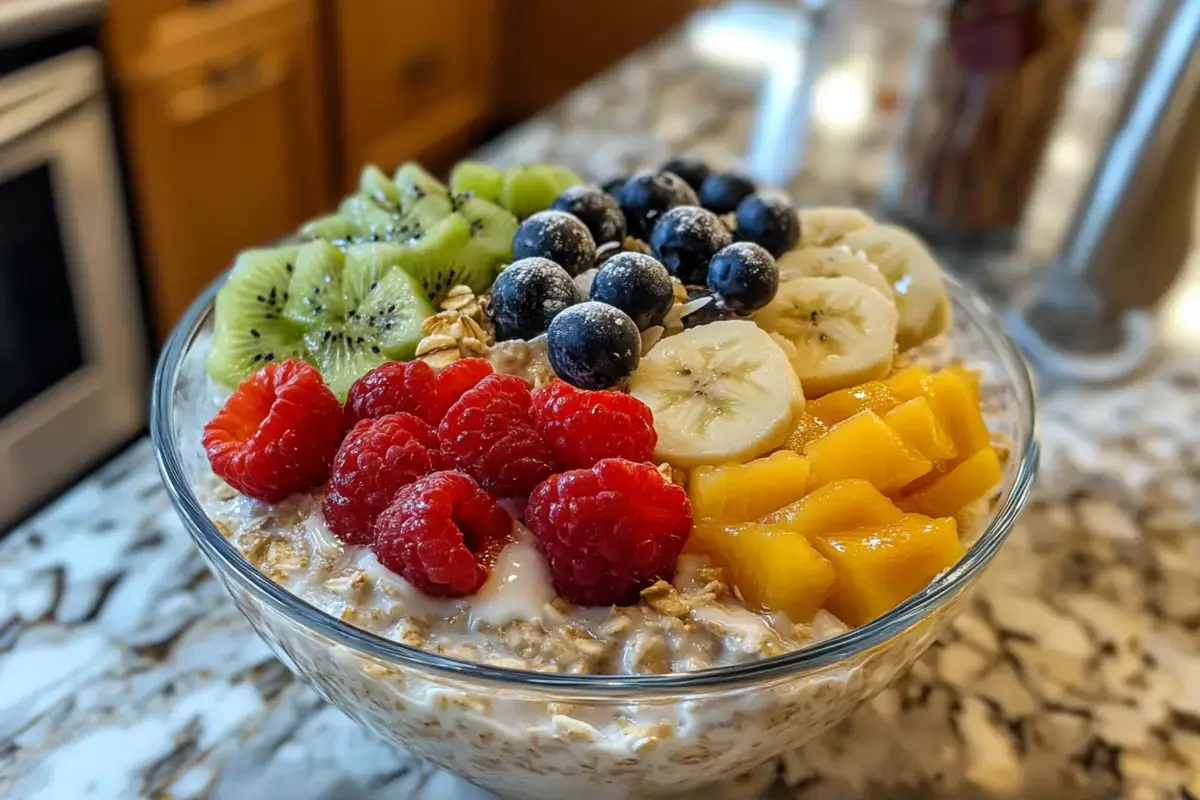
Hey there, it’s Jessika from Boldy Recipes! I get asked this question constantly, especially from readers trying to make better breakfast choices. As someone who’s been making and eating overnight oats for years and paying attention to how they affect my energy and health I can confidently say that yes, overnight oats can be incredibly healthy. But like most things in nutrition, the answer depends on what you put in them. Let me break down the real health benefits and potential pitfalls.
The Nutritional Foundation
Oats themselves are nutritional powerhouses. A half-cup serving of rolled oats contains about 150 calories, 5 grams of protein, 4 grams of fiber, and important minerals like iron, magnesium, and zinc. They’re whole grains, which means they haven’t been stripped of their beneficial bran and germ.
The fiber in oats is particularly special it’s mostly beta-glucan, a soluble fiber that’s been extensively studied for heart health benefits. This type of fiber helps lower LDL cholesterol (the “bad” kind) and supports stable blood sugar levels.
Why Overnight Oats Are Actually Better?
Here’s something many people don’t know: soaking oats overnight can actually improve their nutritional value. The soaking process reduces phytic acid, a compound that can interfere with mineral absorption. Lower phytic acid means your body can better absorb the iron, zinc, and magnesium naturally present in oats.
I also find that overnight oats are easier to digest than cooked oatmeal. The long soak softens the oats and begins breaking down starches, which can be gentler on your digestive system, especially if you have sensitivity to raw grains.
The Protein and Satiety Factor
When I make overnight oats with Greek yogurt and milk (my standard method), a single serving delivers 15-20 grams of protein. That’s comparable to eggs and keeps me satisfied all morning without the mid-morning energy crash.
The combination of protein, fiber, and complex carbohydrates creates sustained energy release. I’m not hungry again by 10 AM like I used to be with sugary cereals or pastries.
Blood Sugar Benefits
For anyone concerned about blood sugar management, overnight oats are excellent. The high fiber content slows down digestion and glucose absorption, preventing blood sugar spikes. This is especially true if you use minimal added sweeteners and include protein-rich Greek yogurt.
I’ve noticed consistent energy levels throughout my morning when I eat overnight oats no jitters, no crashes.
Where Overnight Oats Can Go Wrong?
Here’s where I need to be honest: not all overnight oats are created equal. I’ve seen recipes that are essentially dessert in a jar loaded with chocolate chips, excessive honey, sweetened yogurt, and candy toppings. At that point, you might as well eat cake for breakfast.
The health benefits disappear when you add:
- More than 2 tablespoons of sweetener
- Sweetened yogurt (which can contain 20+ grams of added sugar)
- Candy, cookies, or excessive chocolate
- No protein sources
These turn a healthy breakfast into a sugar bomb that’ll spike your blood sugar and leave you hungry within an hour.

My Healthy Overnight Oats Guidelines
To keep overnight oats genuinely nutritious, I follow these principles:
Include protein: Always add Greek yogurt, protein powder, or nut butter
Limit added sugars: 1-2 tablespoons of natural sweeteners maximum, or use mashed banana
Add healthy fats: Chia seeds, flaxseeds, or a small amount of nut butter
Choose unsweetened milk: Whether dairy or plant-based
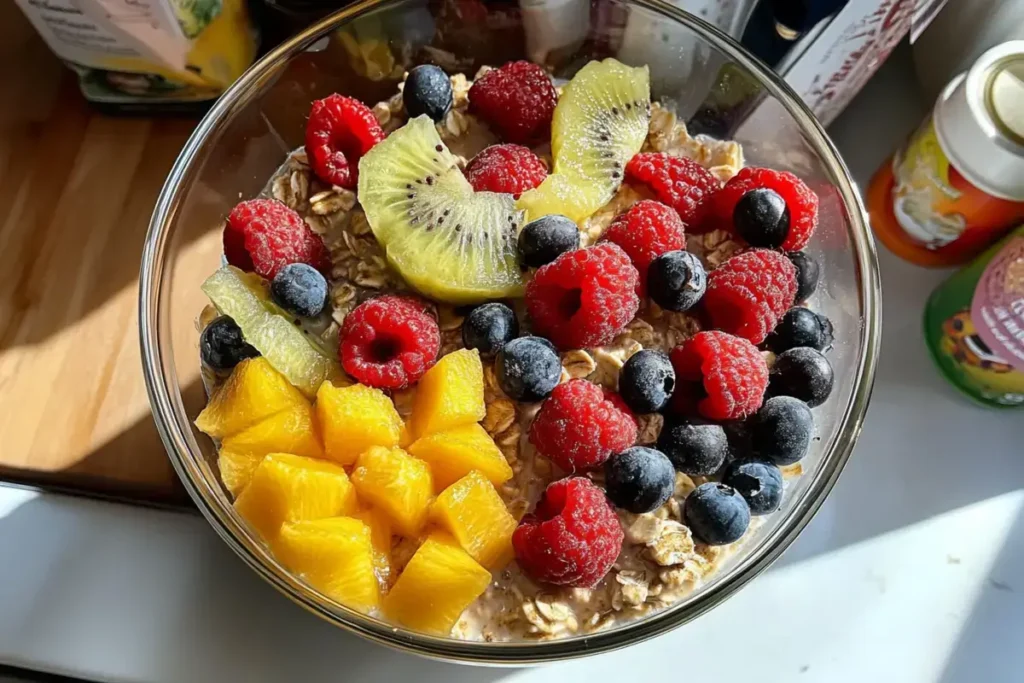
Top wisely: Fresh fruit, nuts, and seeds instead of candy
Who Benefits Most?
Overnight oats are particularly beneficial for:
- People with high cholesterol (oats help lower it)
- Those managing blood sugar or diabetes (when made properly)
- Anyone needing convenient, portable breakfast options
- People looking to increase fiber intake
- Those wanting sustained energy without crashes
The Bottom Line
Yes, overnight oats are healthy when done right. They’re high in fiber, can be packed with protein, support heart health, stabilize blood sugar, and provide sustained energy. I’ve been eating them 3-4 times weekly for years and genuinely feel better on days I start with overnight oats.
Just treat them as a nutritious breakfast, not a dessert opportunity, and you’ll reap all the benefits.
FAQs
Q: Are overnight oats healthier than cooked oatmeal?
A: They’re nutritionally similar, but overnight oats may be slightly easier to digest and have reduced phytic acid from soaking.
Q: Can overnight oats help with weight loss?
A: Yes, when portion-controlled and made without excessive sugar. The fiber and protein promote fullness and reduce overall calorie intake.
Q: Are overnight oats safe to eat every day?
A: Absolutely! They’re a whole food-based breakfast. I eat them regularly without any issues. Just vary your toppings for nutritional diversity.
Q: Do overnight oats spike blood sugar?
A: Not when made properly. The fiber and protein slow glucose absorption. Avoid excessive sweeteners and pair with protein for best results.