
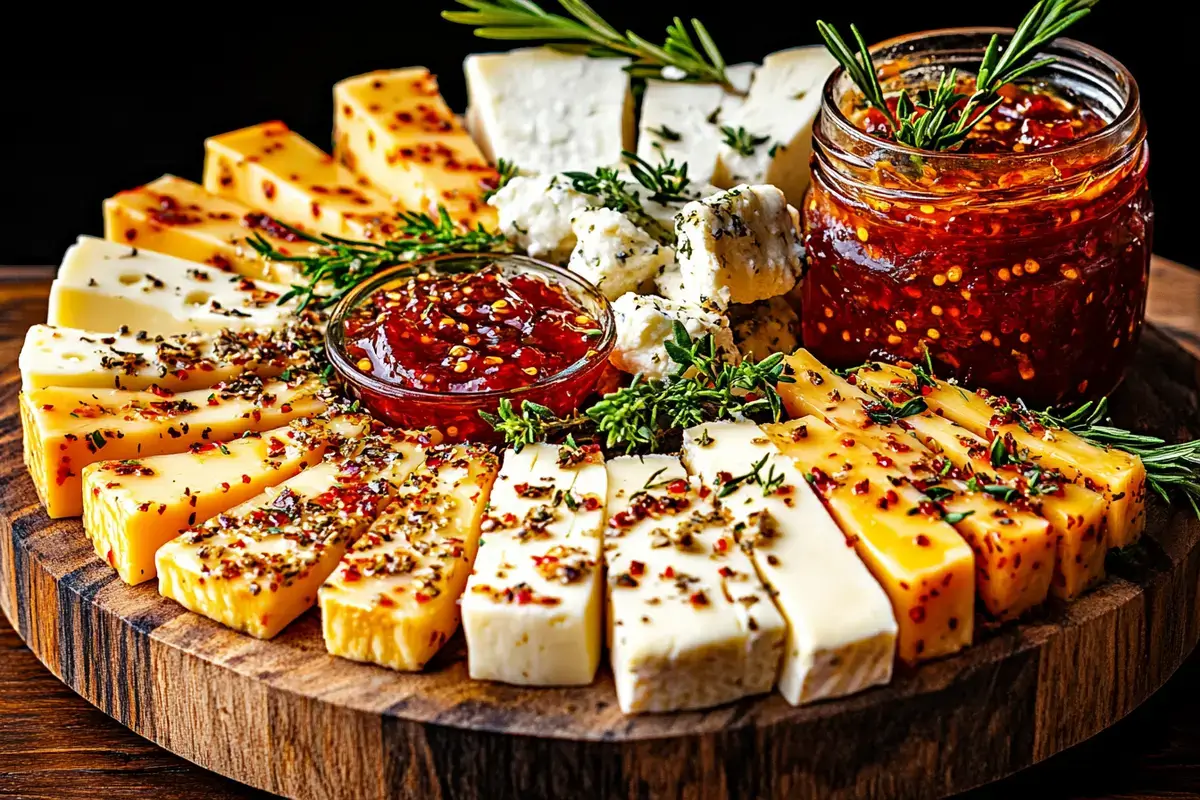
After serving thousands of cheese boards at events from Miami to Seattle over my 20-year career, I can confidently say that pepper jelly and cheese create one of the most beloved flavor combinations in American entertaining. The question isn’t whether to pair them , it’s which cheese will make your guests come back for thirds. Today, I’m sharing my tested pairing guide that’s been refined through countless tastings at BoldyRecipes.com headquarters here in Portland.
The Undisputed Champion: Cream Cheese
Let’s start with the classic that conquered the South and spread nationwide. Plain cream cheese blocks topped with pepper jelly remain the most requested appetizer at Georgia gatherings and Texas tailgates. The mild, creamy base provides the perfect neutral canvas for pepper jelly’s sweet heat to shine.
For elevated presentations, I whip cream cheese with fresh herbs like chives or dill before topping with jelly. Philadelphia-style cream cheese works perfectly, but local artisanal versions from small dairies offer richer flavor. Serve at room temperature for optimal spreading , cold cream cheese won’t properly showcase the jelly’s complexity.
The 8-ounce block with ½ cup pepper jelly ratio feeds 8-10 people perfectly. Arrange on a platter surrounded by butter crackers or toasted baguette slices for the quintessential Southern appetizer that never fails.
Sharp Aged Cheddars: The Flavor Powerhouse
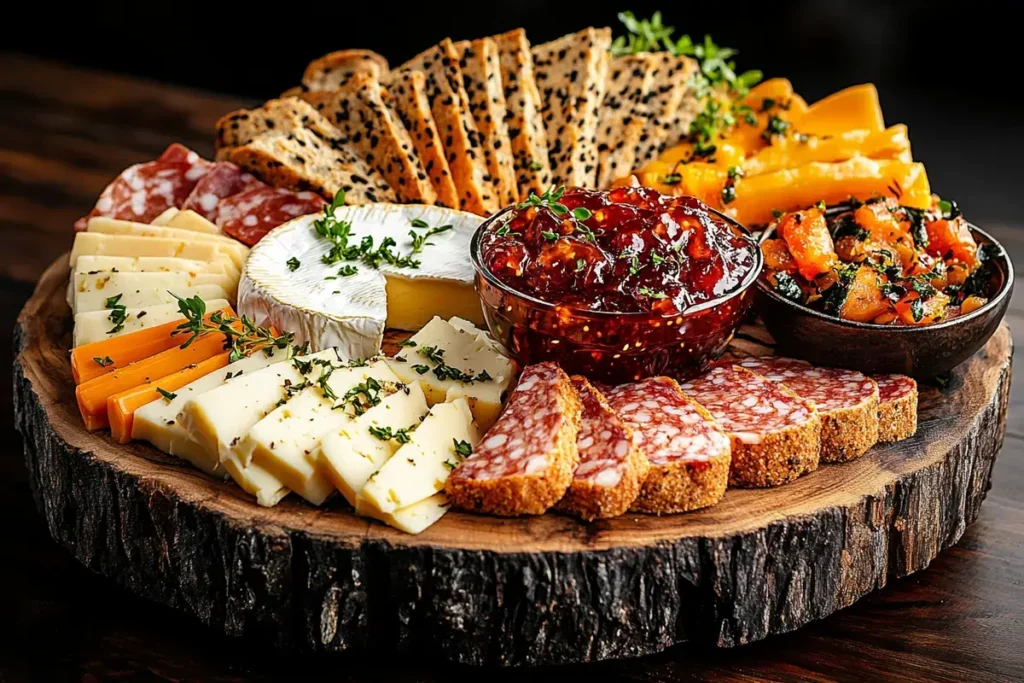
Sharp cheddar’s bold, tangy profile creates magical contrast with pepper jelly’s sweetness. Vermont extra-sharp cheddar particularly excels, its crystalline texture and nutty notes complementing both mild and spicy jelly varieties. Wisconsin aged cheddars, with their characteristic sharpness, stand up beautifully to habanero or ghost pepper jellies.
During cheese classes in my Nashville studio, I demonstrate how aging impacts pairing success. Two-year aged cheddar balances perfectly with standard pepper jelly, while four-year aged varieties need spicier jellies to match their intensity. White cheddar offers visual appeal on cheese boards, creating striking contrast against ruby-red jelly.
Cut cheddar into ¼-inch cubes for easy serving, or present thin slices fanned across a board. The key is room temperature serving , cold cheddar mutes both cheese and jelly flavors.
Creamy Goat Cheese Perfection
Fresh goat cheese ranks as my personal favorite pairing, and West Coast entertaining wouldn’t be complete without it. The tangy, slightly tart profile cuts through pepper jelly’s sweetness while its creamy texture melts beautifully on warm crackers. California chèvre and Oregon farmstead varieties offer exceptional quality that elevates any gathering.
For special occasions, I form goat cheese into logs, roll in crushed pecans or fresh herbs, then slice into rounds before topping with pepper jelly. Warmed goat cheese topped with pepper jelly and served with crostini creates an elegant appetizer worthy of Napa Valley wine tastings.
Laura Chenel or Vermont Creamery brands work beautifully for consistent results. Allow goat cheese to soften for 30 minutes before serving for optimal texture.
Blue Cheese for Adventurous Palates
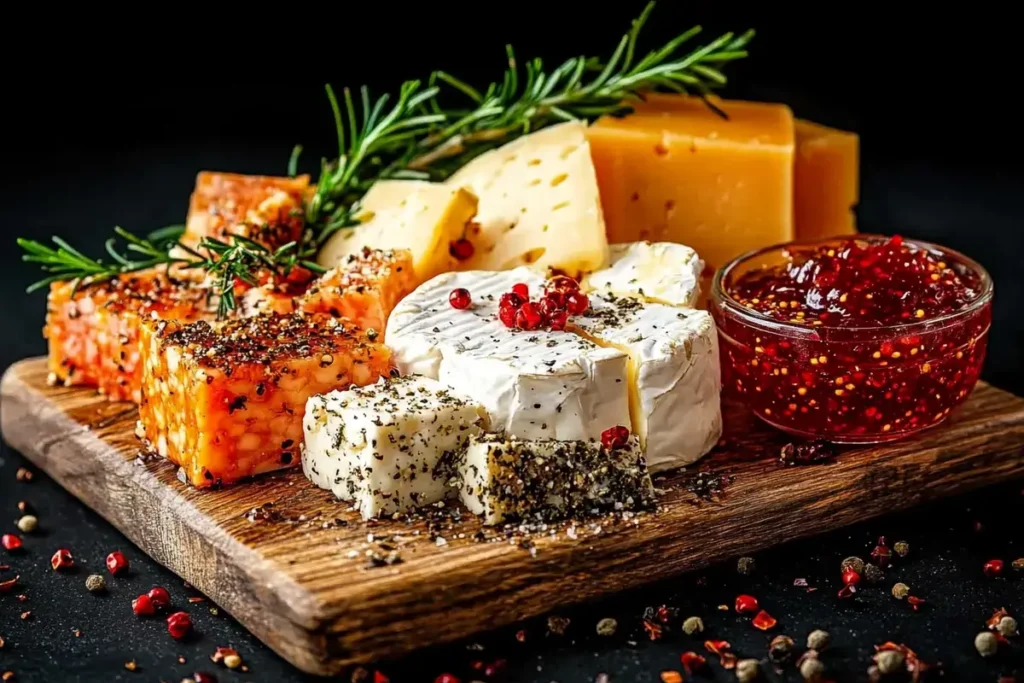
This unexpected pairing has gained serious traction in upscale restaurants from Chicago to San Francisco. The salty, pungent character of blue cheese creates fascinating complexity when paired with sweet-hot pepper jelly. Mild Cambozola or Buttermilk Blue provides approachable entry points, while robust Roquefort or Maytag Blue challenges experienced palates.
The key lies in proportion , use less pepper jelly with blue cheese than milder varieties. A small drizzle across crumbled blue cheese on endive leaves creates sophisticated passed appetizers. Mixed into compound butter with pepper jelly, blue cheese transforms grilled steaks into memorable entrées.
Point Reyes Original Blue from California perfectly balances this pairing, offering enough funk without overwhelming the jelly’s nuanced flavors.
Soft-Ripened Varieties and Brie
Brie and Camembert wrapped in puff pastry with pepper jelly has become my signature holiday appetizer. The buttery, mushroomy notes of these soft-ripened cheeses meld beautifully with pepper jelly’s bright acidity. French double-cream Brie provides luxurious richness that coats the palate, allowing pepper heat to build gradually.
Remove rinds if desired, though many enjoy the textural contrast. For baked preparations, score the top rind in crosshatch pattern, top with pepper jelly and chopped rosemary, then bake until bubbly. Vermont Creamery’s Cremont or Cowgirl Creamery’s Mt. Tam offer exceptional American alternatives to imported varieties.
Temperature and Serving Essentials
Cheese temperature dramatically impacts pairing success. Remove all cheeses from refrigeration 45-60 minutes before serving. Cold cheese won’t properly meld with pepper jelly, missing the magical flavor transformation that occurs at room temperature.
Arrange cheeses from mild to strong, allowing guests to progress through intensities. Provide separate spreading knives to prevent flavor mixing. Include neutral crackers, allowing cheese and jelly to star without competition.
FAQs
Q: How much pepper jelly per cheese serving?
A: Use 1-2 teaspoons per ounce of cheese, adjusting for intensity preferences.
Q: Can I mix pepper jelly directly into cheese?
A: Yes, fold into whipped cream cheese or goat cheese for pre-mixed spreads.
Q: Which cheese works for lactose-intolerant guests?
A: Aged cheddars and hard cheeses contain minimal lactose; many tolerate them well.
Q: Should I serve one cheese or multiple options?
A: Three varieties (soft, semi-hard, aged) create ideal variety without overwhelming choices.