
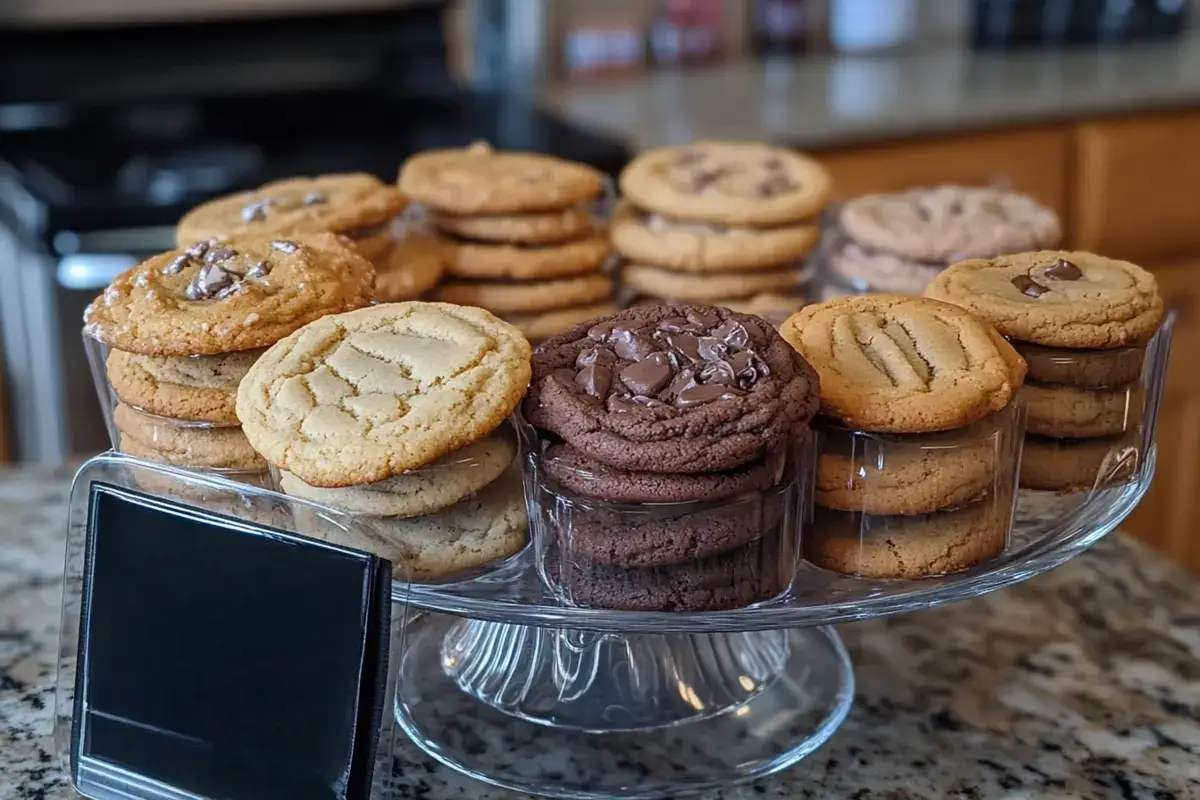
Hey everyone, Jessika here! If there’s one question that stumps new gluten-free bakers, it’s this: which flour should I use? After spending years testing every gluten-free flour imaginable in my kitchen, I’ve learned that there’s no single “best” flour but there are definitely smart choices depending on what type of cookie you’re making. Let me break down everything I’ve learned so you can make perfect gluten-free cookies every single time.
All-Purpose Gluten-Free Flour Blends
For most cookie recipes, I reach for a quality all-purpose gluten-free flour blend first. These are pre-mixed combinations designed to mimic regular all-purpose flour.
My Top Picks:
Bob’s Red Mill 1-to-1 Baking Flour: This is my go-to for nearly everything. It contains rice flour, potato starch, sorghum flour, tapioca flour, and xanthan gum. The texture is reliable and consistent.
King Arthur Measure for Measure Flour: Another excellent option with a slightly different blend that works beautifully in cookies. It’s finely milled and produces tender results.
Cup4Cup: Developed by a professional chef, this blend includes milk powder which adds richness. It’s pricier but delivers exceptional results for special occasions.
These blends work because they combine different flours and starches to replicate the protein structure and binding properties of wheat flour.
Single-Ingredient Flours
Sometimes mixing your own blend or using a single flour creates superior results for specific cookie types.
Almond Flour
My absolute favorite for rich, tender cookies. Almond flour creates a moist, slightly dense texture perfect for shortbread, thumbprint cookies, and macarons. It adds a subtle nutty flavor and healthy fats. Use blanched almond flour for the best texture and appearance.
Best for: Shortbread, macarons, Mexican wedding cookies, flourless cookies
Oat Flour
Made from ground oats, this flour creates chewy, hearty cookies. Make sure it’s certified gluten-free since oats are often cross-contaminated during processing. I love it for oatmeal cookies and anything requiring a wholesome texture.
Best for: Oatmeal cookies, breakfast cookies, chewy varieties
Coconut Flour
Extremely absorbent and high in fiber, coconut flour requires special handling. You can’t substitute it 1-to-1, but it creates unique, cakey cookies. I use it sparingly or combined with other flours.
Best for: Macaroons, blended with other flours for added fiber
Rice Flour
White rice flour is neutral-tasting but can create gritty cookies if used alone. I prefer it as part of a blend. Brown rice flour adds more nutrients but can taste slightly bitter.
Best for: Part of homemade flour blends, not standalone
Creating Your Own Blend
For those who want complete control, I sometimes make my own blend:
- 2 cups white rice flour
- ⅔ cup potato starch (not potato flour!)
- ⅓ cup tapioca starch
- 1 teaspoon xanthan gum
This creates about 3 cups of all-purpose gluten-free flour blend that stores well in an airtight container.
The Xanthan Gum Question
Xanthan gum acts as a binder, replacing gluten’s stretchy quality. Most commercial blends include it, but if you’re using single-ingredient flours, add:
Skip it if using almond flour (the fat provides binding)
¼ teaspoon per cup of flour for cookies
My Professional Recommendations
For crispy cookies: Use a blend heavy in rice flour or add some cornstarch to your mix.
For chewy cookies: Incorporate almond flour or add a bit of tapioca starch.
For cakey cookies: Try coconut flour or sorghum flour in your blend.
For the closest to “regular” cookies: Stick with high-quality 1-to-1 blends from trusted brands.
Mistakes to Avoid
Don’t assume all gluten-free flours behave the same way. Each has unique properties regarding absorption, flavor, and texture.
Never substitute gluten-free flour measurements exactly as written in regular recipes without adjustments you’ll likely need less liquid or more binding agents.
Store gluten-free flours properly. Many, especially almond and coconut flour, contain oils that can go rancid. Keep them refrigerated or frozen for longer shelf life.
The Bottom Line
After testing countless batches, my honest recommendation for beginners is to start with Bob’s Red Mill 1-to-1 or King Arthur Measure for Measure. These deliver consistent results without requiring chemistry knowledge. As you gain confidence, experiment with almond flour for richer cookies or create custom blends for specific textures.
The best flour is ultimately the one that gives you the results you want and tastes delicious to you and your family.

FAQs
Q: Can I use regular all-purpose flour measurements?
A: With 1-to-1 blends, yes. With single-ingredient flours like coconut or almond, no—each requires different ratios and adjustments.
Q: Why are my GF cookies crumbly?
A: You likely need more binding. Add xanthan gum, an extra egg, or incorporate almond flour which has natural binding properties from fats.
Q: How long does gluten-free flour last?
A: Store-bought blends last 6-12 months in a cool, dry place. Nut-based flours should be refrigerated and used within 3-6 months.
Q: Is expensive flour worth it?
A: For cookies, yes. Quality blends produce better texture and flavor. Save budget options for less delicate baking projects.