
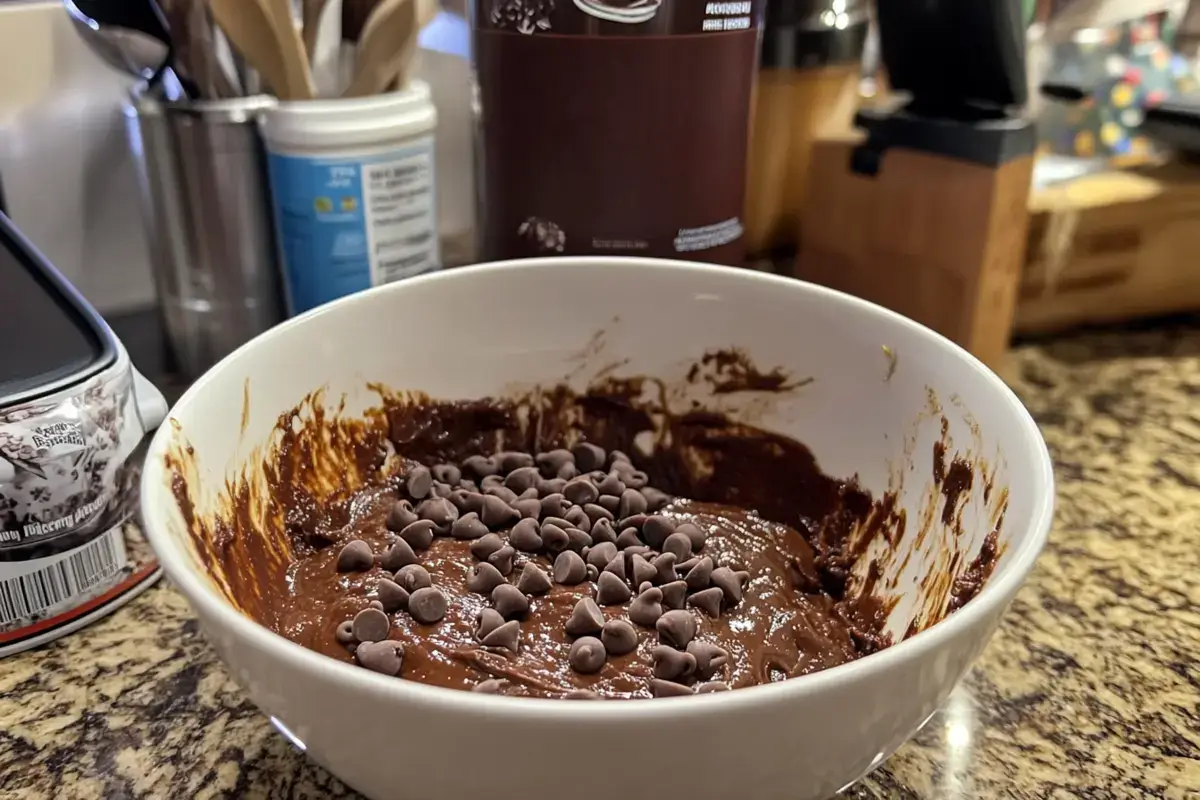
Let’s address the elephant in the kitchen , we’ve all been tempted by that rich, chocolatey brownie batter clinging to the bowl. As a professional chef who’s taught countless baking classes across Seattle, I can’t tell you how many times I’ve been asked this question. Today, I’m breaking down the real risks and sharing safe ways to satisfy those batter cravings.
The Truth About Raw Brownie Batter
Traditional brownie batter contains two ingredients that pose potential health risks: raw eggs and raw flour. Both can harbor harmful bacteria that cause foodborne illness. The CDC reports approximately 1 in 20,000 eggs may contain Salmonella, while raw flour has been linked to E. coli outbreaks in recent years.
During my 15 years in professional kitchens, I’ve seen food safety standards evolve significantly. What surprises many home bakers is that flour poses an equal, if not greater, risk than raw eggs. Flour is a raw agricultural product that hasn’t been treated to kill bacteria during processing.
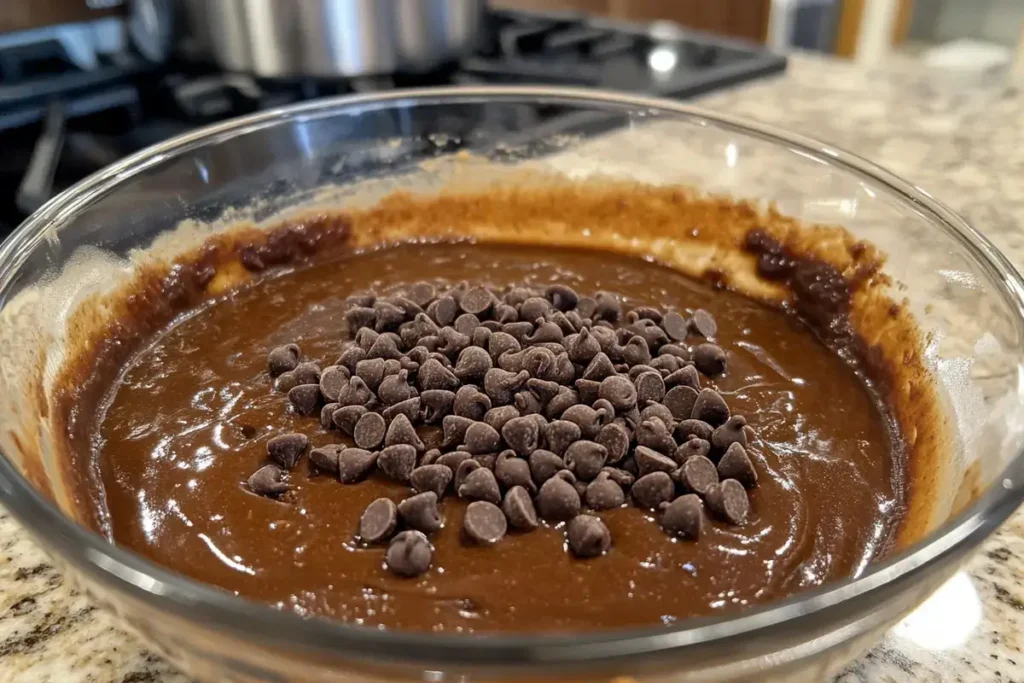
Understanding the Real Risks
Raw Eggs and Salmonella
The risk from raw eggs primarily comes from Salmonella enteritidis, which can cause severe gastrointestinal illness. Symptoms typically appear 6-72 hours after consumption and include fever, diarrhea, and abdominal cramps. While healthy adults usually recover without treatment, young children, elderly individuals, pregnant women, and immunocompromised people face serious complications.
Raw Flour and E. coli
Many don’t realize flour needs cooking to be safe. The wheat fields where flour originates can be contaminated by animal waste containing E. coli bacteria. In 2016 and 2019, major flour recalls affected millions of pounds of product nationwide. The bacteria survives in dry flour and only dies when heated to 160°F.
How to Make Brownie Batter Safe to Eat?
Heat-Treat Your Flour
Spread flour on a baking sheet and bake at 350°F for 5 minutes, stirring halfway through. Alternatively, microwave flour in 30-second intervals, stirring between each, until it reaches 160°F. I keep treated flour in labeled containers in my pantry specifically for safe raw consumption.
Use Pasteurized Eggs
Available in most grocery stores across America, pasteurized eggs have been heated to eliminate bacteria while remaining raw. Look for them in the refrigerated section , they’re clearly labeled and cost slightly more than regular eggs. Davidson’s and Safest Choice are reliable brands I recommend to my cooking students.
Try Egg Substitutes
For edible brownie batter, replace each egg with:
- 3 tablespoons aquafaba (chickpea liquid)
- ¼ cup silken tofu, blended smooth
- 3 tablespoons ground flax mixed with 9 tablespoons water
These alternatives provide binding without the risk, though the texture differs slightly from traditional batter.
Safe Edible Brownie Batter Recipe
After years of recipe development, I’ve perfected this safe-to-eat brownie batter that satisfies cravings without worry:
Ingredients:
- 1 cup heat-treated all-purpose flour
- ½ cup cocoa powder
- ¾ cup brown sugar
- ½ cup melted butter
- ¼ cup milk
- 1 teaspoon vanilla extract
- ½ teaspoon salt
- ½ cup chocolate chips
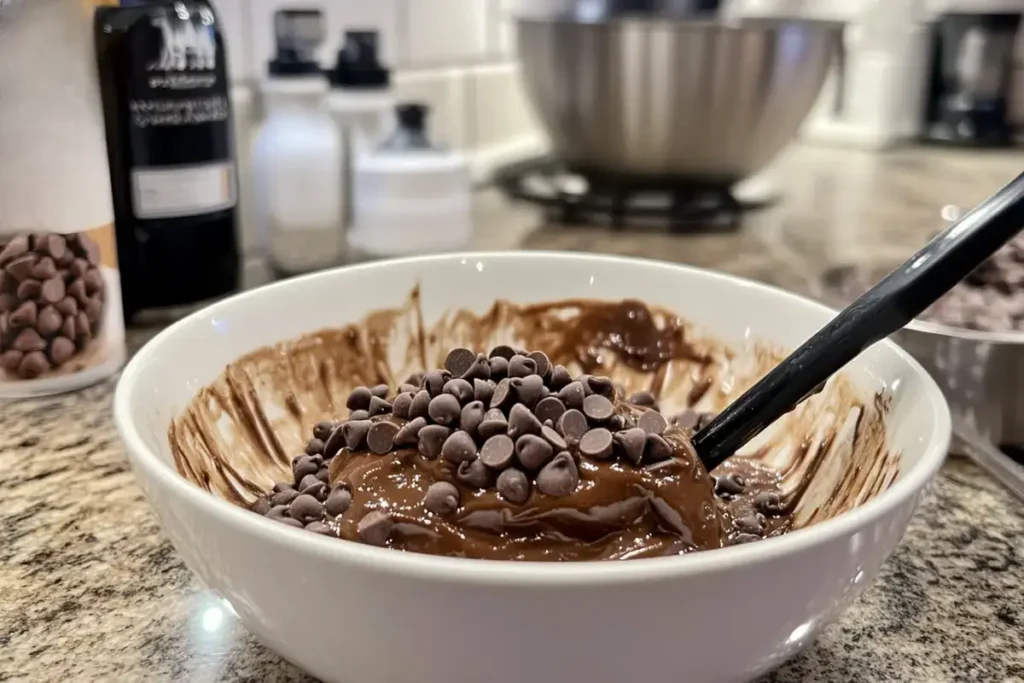
Mix dry ingredients, then fold in wet ingredients until combined. This eggless version tastes remarkably similar to traditional batter and is completely safe to eat raw.
Smart Alternatives for Batter Lovers
Cookie Dough Shops: Specialized shops in major cities like NYC, Los Angeles, and Chicago serve safe edible cookie dough and brownie batter. They use heat-treated flour and egg-free recipes.
Commercial Edible Products: Brands like Pillsbury and Duncan Hines now offer edible brownie batter specifically designed for raw consumption. Find them in the refrigerated section of most supermarkets.
Brownie Batter Hummus: This trending healthy alternative uses chickpeas, cocoa, and sweeteners to mimic brownie batter’s flavor profile safely.
Professional Kitchen Standards
In commercial kitchens, we never allow batter tasting due to liability concerns. However, I understand home bakers’ temptations. If you choose to taste traditional batter, limit consumption to small amounts and never serve it to high-risk individuals.
FAQs
Q: Can pregnant women eat brownie batter?
A: No, avoid all raw batter during pregnancy due to increased risk of severe complications from foodborne illness.
Q: Does organic flour carry less risk?
A: No, organic flour carries the same contamination risks as conventional flour and requires heat treatment.
Q: How long does heat-treated flour last?
A: Store in an airtight container for up to 3 months at room temperature or 6 months refrigerated.
Q: Is store-bought edible cookie dough safe?
A: Yes, commercial edible products are specifically formulated and processed to be consumed raw.