
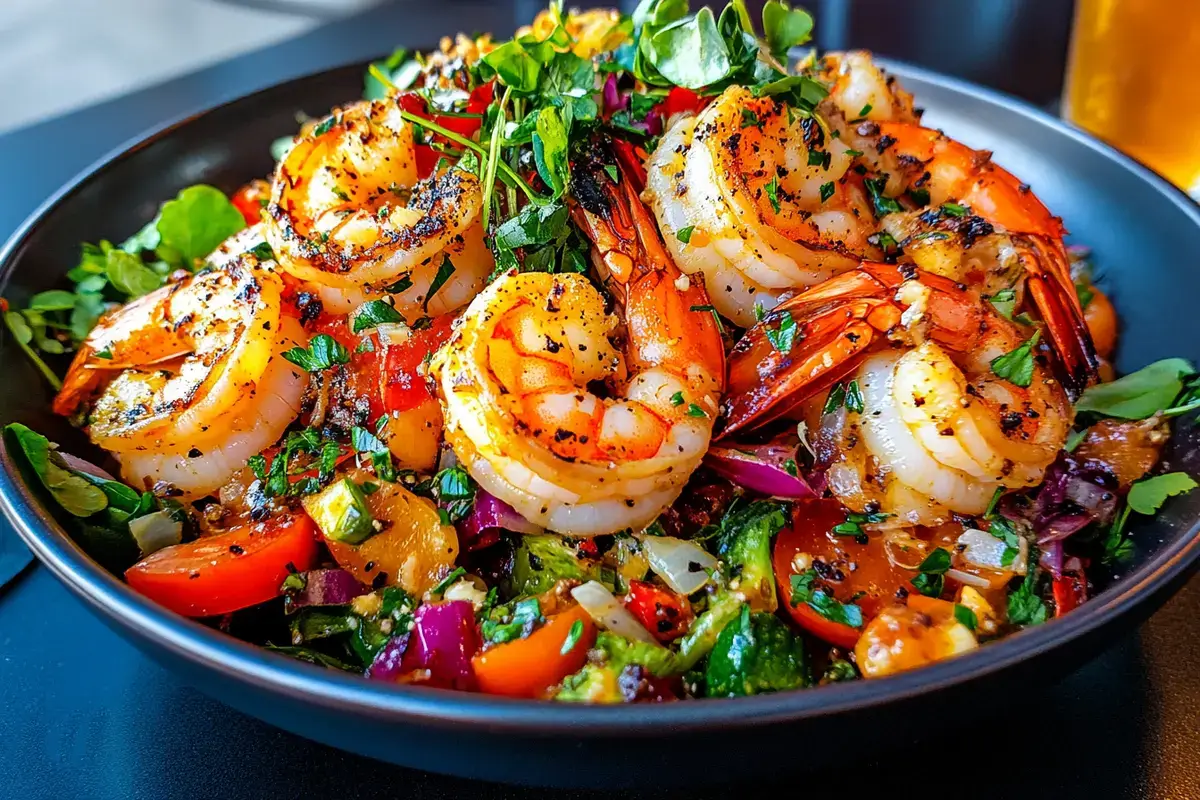
As a chef who’s spent years analyzing restaurant nutrition while developing healthier alternatives at BoldyRecipes.com, I get this question constantly from health-conscious diners here in Portland and beyond. After thoroughly examining Red Lobster’s Shrimp Scampi from both culinary and nutritional perspectives, I’m breaking down exactly what you’re eating and whether it fits into a balanced diet.
The Nutritional Breakdown: Numbers That Matter
Red Lobster’s classic Shrimp Scampi contains approximately 510 calories per serving, with 29 grams of fat, 31 grams of carbohydrates, and 33 grams of protein. The sodium content hits 1,770 milligrams , nearly 77% of the recommended daily value. These numbers reflect the entrée portion alone, without sides or those irresistible Cheddar Bay Biscuits.
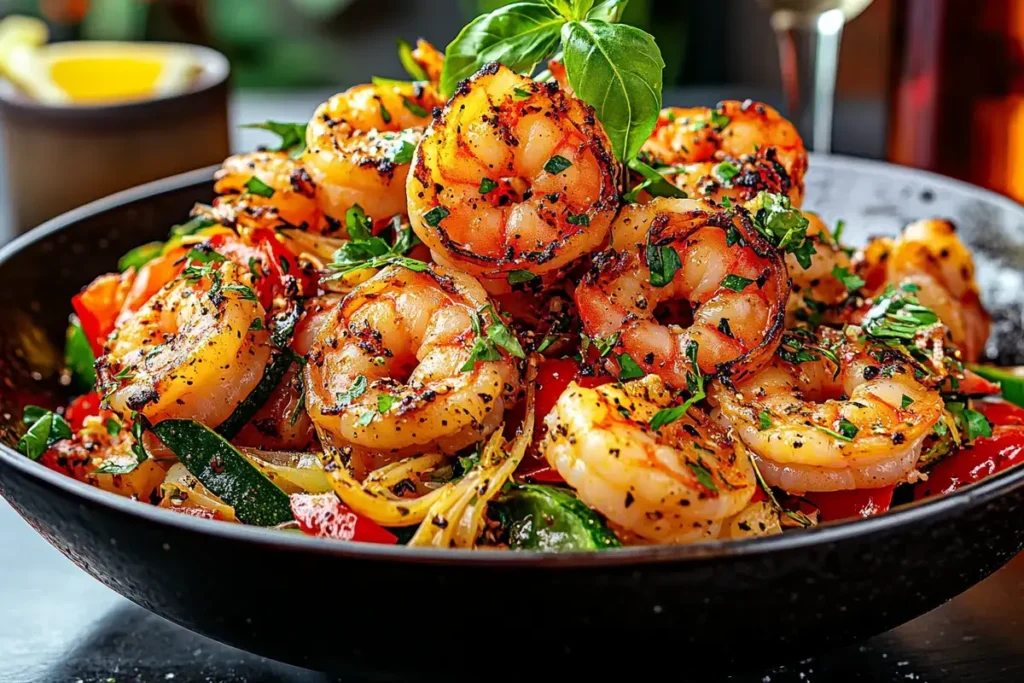
The dish features roughly 12-15 medium shrimp sautéed in garlic butter sauce, served over linguine pasta. While shrimp itself is nutritionally excellent , low in calories, high in protein, rich in selenium and vitamin B12 , the preparation method significantly impacts the final nutritional profile.
Breaking down the macronutrients, the 29 grams of fat includes 14 grams of saturated fat, primarily from butter. That’s 70% of your daily recommended saturated fat intake in one meal. The trans fat content is minimal, but the overall fat percentage makes this a calorie-dense option.
The Good: Nutritional Benefits Worth Noting
Despite the high calorie and fat content, Red Lobster’s Shrimp Scampi offers legitimate nutritional benefits. The 33 grams of protein support muscle maintenance and satiety, potentially preventing overeating later. Shrimp provides omega-3 fatty acids, though in smaller amounts than fattier fish like salmon.
The garlic offers cardiovascular benefits and immune support, while the pasta provides energy-sustaining complex carbohydrates. When I analyze this dish in my Seattle nutrition workshops, I emphasize that it’s not inherently “unhealthy” , it’s about context within your overall diet.
Shrimp remains one of the leanest protein sources available, with only 84 calories per 3-ounce serving before preparation. It’s also rich in astaxanthin, an antioxidant that supports heart and brain health. The iodine content supports thyroid function, particularly important for those avoiding iodized salt.
The Challenges: Where Health Concerns Arise
The primary health concern isn’t the shrimp , it’s the preparation. The butter-heavy sauce transforms a lean protein into a high-fat dish. During my consultations with cardiac patients in Oregon medical centers, dishes like this consistently appear on “limit or avoid” lists.
The sodium content poses significant concerns for those managing blood pressure. At 1,770mg, you’re consuming most of your daily sodium allowance before adding any sides or appetizers. Many of my clients with hypertension are shocked when I reveal these numbers.
The refined pasta adds simple carbohydrates without significant fiber, causing blood sugar spikes. The white linguine provides minimal nutritional value beyond calories, making this a missed opportunity for whole grain alternatives.
.
Making It Healthier: Smart Modifications
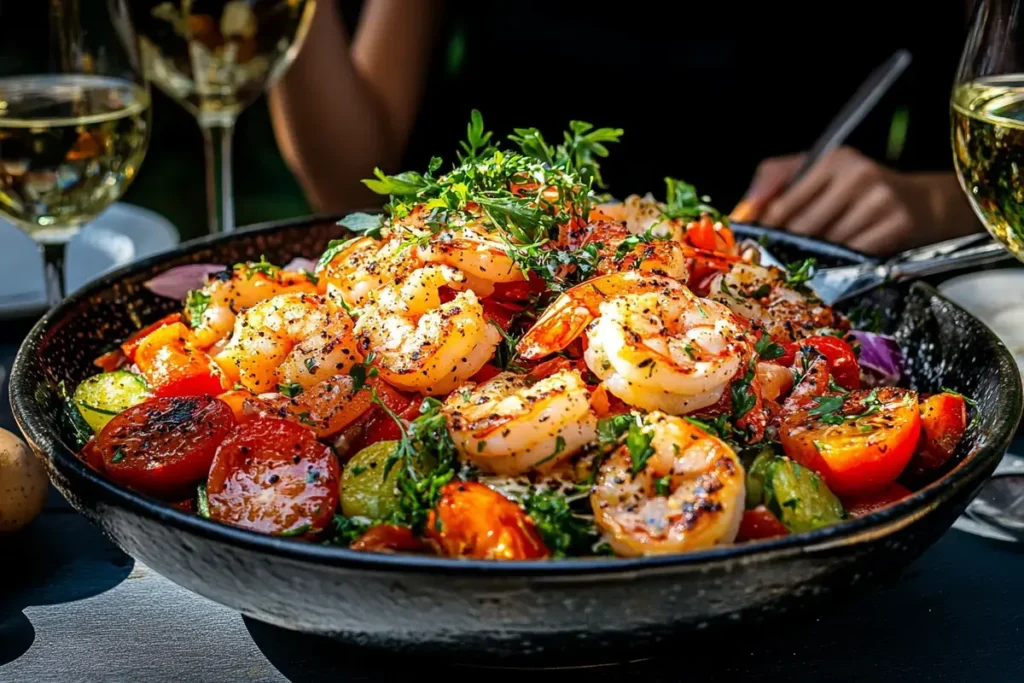
When dining at Red Lobster, I recommend several modifications to improve the nutritional profile. Request your Shrimp Scampi with light butter or olive oil instead of standard preparation , most locations accommodate this request. Ask for extra garlic and herbs to maintain flavor while reducing fat.
Consider ordering the lunch portion, which contains approximately 350 calories with proportionally lower fat and sodium. Alternatively, order the full entrée but immediately box half for tomorrow’s lunch, effectively cutting the nutritional impact in half.
Request whole wheat pasta when available, or substitute with steamed broccoli or zucchini noodles at participating locations. Several California and Colorado Red Lobsters now offer these alternatives as part of their health-conscious initiatives.
Comparing to Alternatives
Within Red Lobster’s menu, grilled shrimp options provide better nutritional profiles. The Grilled Shrimp Skewer contains just 190 calories with 2 grams of fat. The Shrimp Your Way option allows customization for healthier preparations.
Compared to other chain restaurants’ shrimp scampi, Red Lobster’s version falls in the middle range. Olive Garden’s version contains 590 calories, while Carrabba’s tops 800 calories. Local independent restaurants here in Portland often offer lighter versions using olive oil and vegetable noodles.
The Verdict: Context Matters
Is Red Lobster’s Shrimp Scampi healthy? For occasional dining, it’s acceptable within a balanced diet. The protein content and micronutrients from shrimp provide value, but the high fat and sodium require consideration. If you’re managing cardiovascular conditions, diabetes, or weight, this isn’t an optimal choice without modifications.
For active individuals with higher calorie needs and no health restrictions, it’s a reasonable indulgence. The key is frequency , enjoying this monthly differs vastly from weekly consumption. Pair it with a side salad, skip the biscuits, and drink water to minimize overall meal impact.
FAQs
Q: How many calories with sides included?
A: Adding rice and salad brings total to approximately 750-800 calories.
Q: Is the lunch portion significantly healthier?
A: Yes, it contains about 30% fewer calories, fat, and sodium.
Q: Can diabetics eat this dish?
A: With modifications like vegetable substitutions for pasta, it becomes more suitable.
Q: What’s the healthiest shrimp option at Red Lobster?
A: Grilled shrimp with steamed vegetables provides optimal nutrition at under 300 calories.