
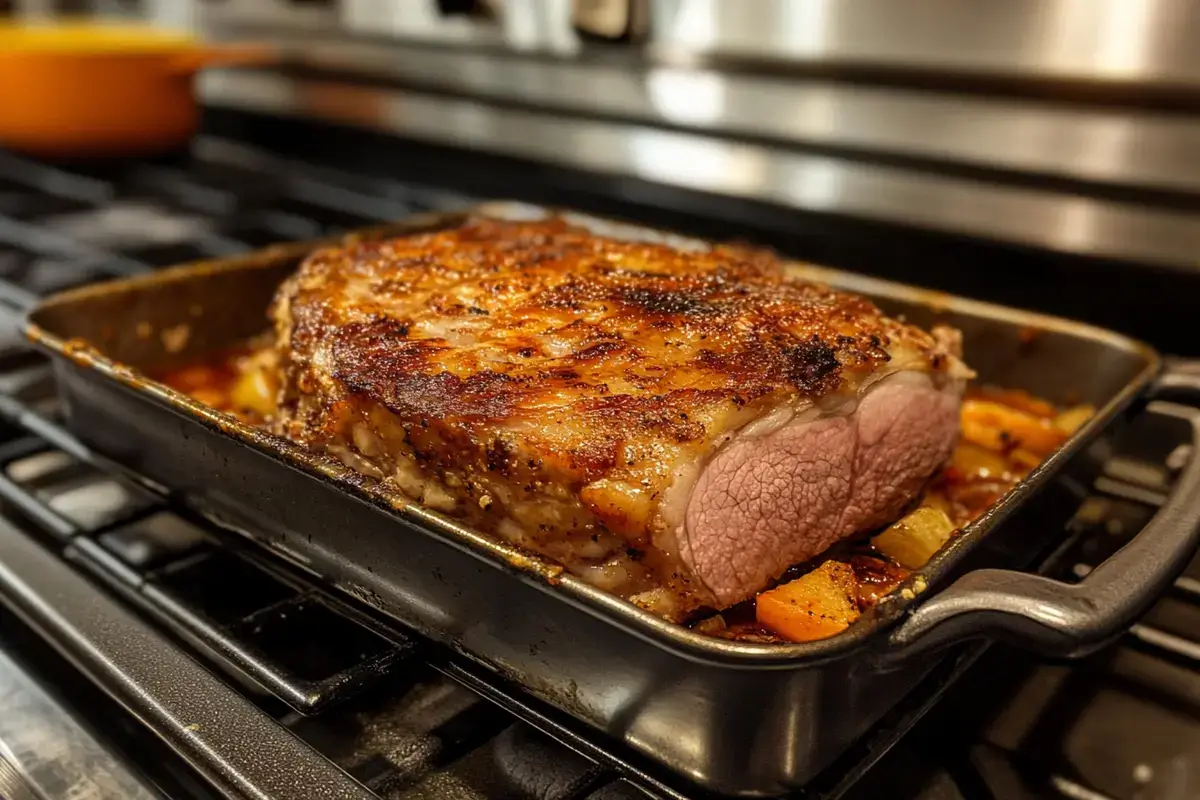
Hey friends, it’s Jessika from Boldy Recipes! After cooking prime rib for countless holidays and special occasions, I’ve learned that this impressive roast isn’t nearly as intimidating as people think. The secret to perfect prime rib isn’t one single trick it’s mastering a few key techniques that work together. Let me share the methods I rely on every single time to deliver a tender, juicy, perfectly crusted prime rib that gets rave reviews.
Start with Quality Meat
Here’s the truth: you can’t turn a mediocre roast into magic. I always choose USDA Prime or upper Choice grade with generous marbling throughout. That intramuscular fat is what keeps the meat juicy and flavorful during roasting.
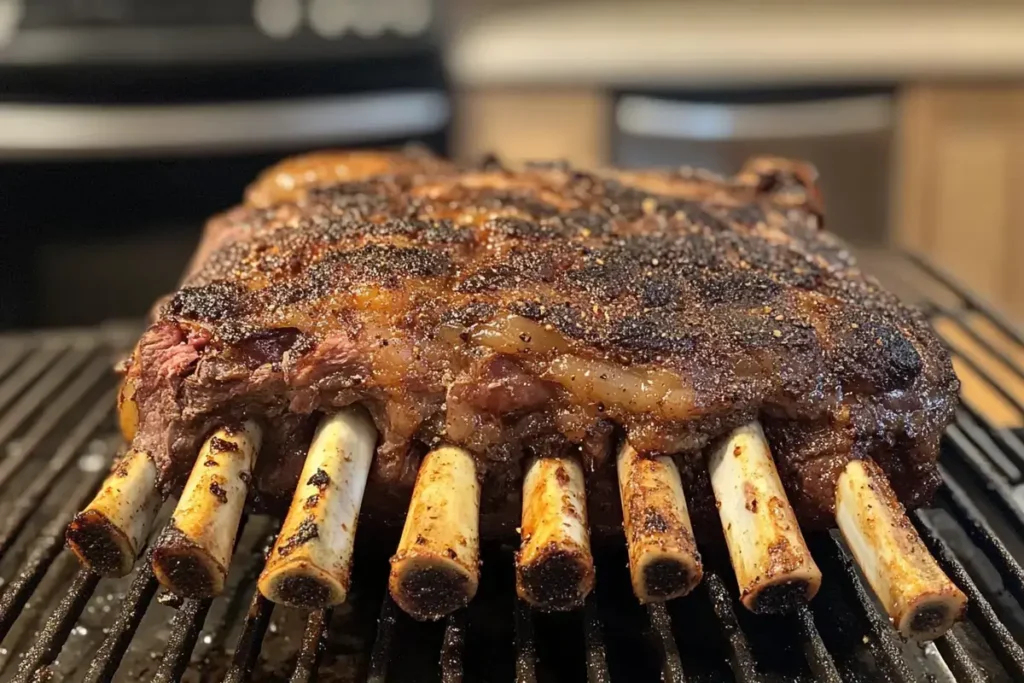
Ask your butcher for a bone-in roast from the rib section (ribs 6-12 are ideal). The bones add flavor and act as a natural roasting rack. I typically calculate one rib bone per two people, so a three-bone roast serves 6-8 people comfortably.
The Dry-Brine Secret
If I had to choose one game-changing technique, it’s dry-brining. This is the single most important step I never skip. Generously salt your prime rib with coarse kosher salt (about 1 tablespoon per 2 pounds of meat) at least 12 hours before cooking up to 48 hours is even better.
Place the salted roast uncovered on a rack in your refrigerator. This does three things: the salt penetrates deep into the meat for even seasoning, it breaks down proteins for better tenderness, and the uncovered rest dries out the surface for superior crust development.
Room Temperature Is Non-Negotiable
Never put a cold roast in the oven. I remove my prime rib from the refrigerator a full 2-3 hours before cooking (yes, really). This allows for even cooking from edge to center.
A cold roast will overcook on the outside before the inside reaches the right temperature. Room temperature meat cooks more predictably and evenly this is basic physics that makes a huge difference.
Low and Slow Wins the Race
My preferred method is reverse searing: roasting low and finishing high. I cook at 225°F until the internal temperature reaches about 120°F (for medium-rare), then crank the heat to 500°F for 10-15 minutes to develop a deeply browned crust.
This low-and-slow approach gives you edge-to-edge rosy pink meat with just a thin band of well-done around the exterior. High-heat roasting methods create a thicker gray band and less consistent doneness.
Invest in a Reliable Thermometer
Temperature, not time, determines doneness. I use an instant-read thermometer inserted into the thickest part of the roast, avoiding the bone. Remove your prime rib at these temperatures:
- Rare: 115-120°F
- Medium-rare: 120-125°F
- Medium: 130-135°F
Remember, the temperature will rise another 5-10 degrees during resting.
The Resting Period Is Sacred
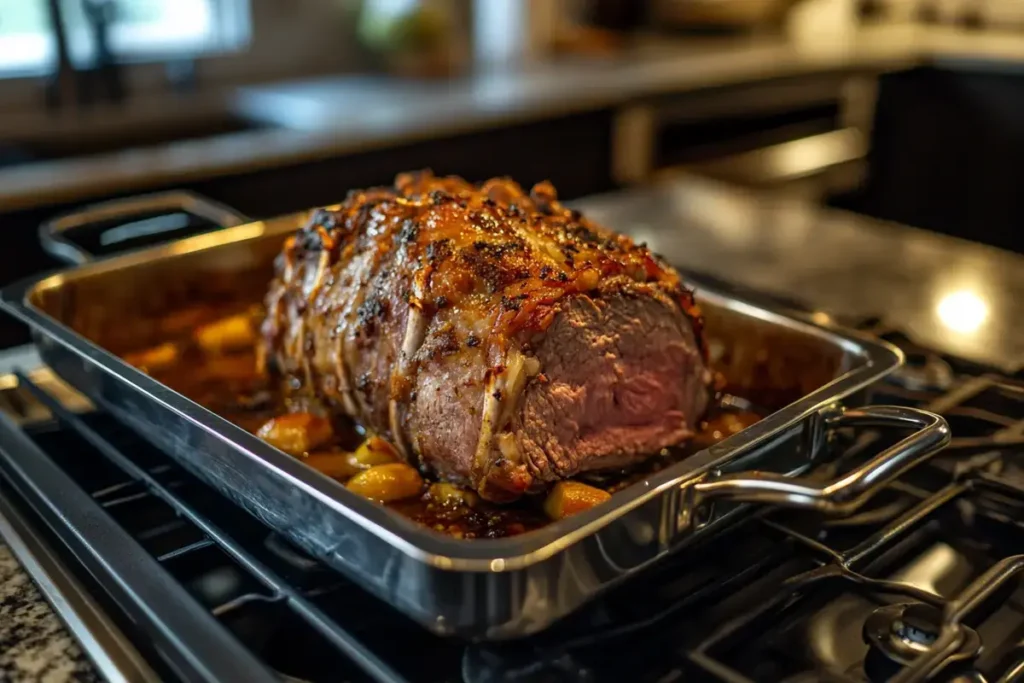
This is where many home cooks go wrong. Rest your prime rib for at least 30 minutes preferably 45. Tent it loosely with foil, but don’t wrap tightly.
During this rest, the juices redistribute throughout the meat instead of running all over your cutting board. I know it’s tempting to carve immediately, but patience here makes the difference between good and spectacular.
Keep Seasoning Simple
Prime rib is premium beef with excellent natural flavor. I use coarse salt, freshly cracked black pepper, minced garlic, and fresh herbs like rosemary and thyme. That’s it.
About an hour before roasting, I make a paste with olive oil, crushed garlic, and herbs, then rub it all over the exterior. The oil helps achieve even browning while the aromatics enhance without overpowering the beef.
My Pro Finishing Touch
After resting, I save the flavorful drippings from the roasting pan to make a quick au jus. Simply strain out the fat, add a splash of red wine or beef stock to the pan, scrape up the browned bits, and simmer for a few minutes. This simple sauce elevates the entire dish.
FAQs
Q: How much prime rib should I buy per person?
A: Plan for ¾ to 1 pound per person with bones, or ½ pound per person for boneless. I always round up.
Q: Should I tie my prime rib roast?
A: If it’s boneless, yes tie it at 2-inch intervals for even cooking. Bone-in roasts don’t typically need tying.
Q: Can I cook prime rib the day before and reheat it?
A: Not recommended. Prime rib is best cooked and served the same day. You can prep (salt and season) the day before, though.
Q: What if I don’t have 2-3 hours for it to reach room temperature?
A: Allow at least 1 hour minimum. Even partial tempering is better than going straight from fridge to oven.