
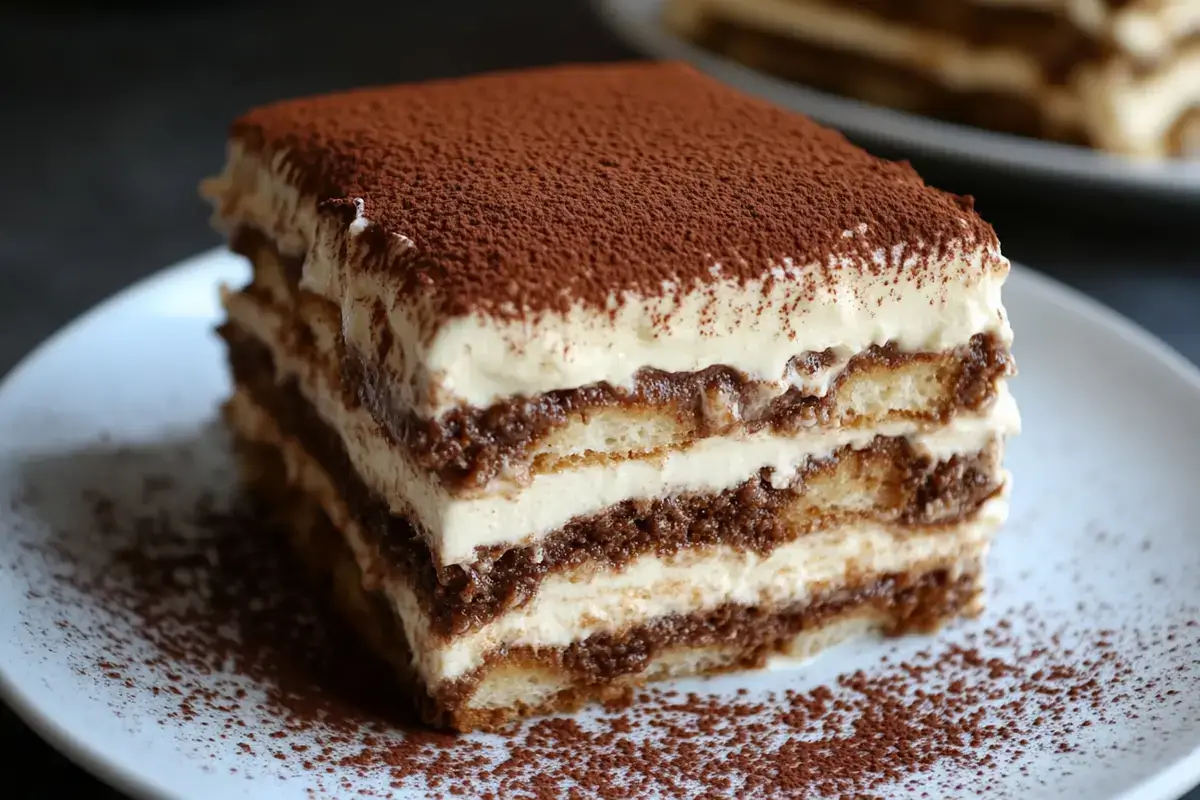
Hey friends, Jessika here from Boldy Recipes! After training in Italy and making tiramisu more times than I can count, I’ve learned that this classic dessert is surprisingly easy to mess up. The good news? Most failures come from a handful of common mistakes that are completely avoidable. Today I’m sharing the biggest tiramisu mistakes I see home cooks make so you can skip straight to perfect results.
Don’t Oversoak Your Ladyfingers
The Mistake: Leaving ladyfingers in coffee too long, creating a soggy, mushy mess.
Why It Matters: Oversaturated ladyfingers lose structure and create a watery tiramisu that falls apart when served. The texture should be soft but still have some backbone.
Do This Instead: Quick dip only 1 to 2 seconds per side maximum. The ladyfingers should be moistened but not saturated. They’ll continue absorbing moisture as the tiramisu rests. I literally count “one-Mississippi, two-Mississippi” for each side. Use Savoiardi (Italian ladyfingers) they’re firmer and hold up better than soft American varieties.
Don’t Skip the Resting Time
The Mistake: Serving tiramisu immediately after assembly or only chilling for an hour or two.
Why It Matters: Tiramisu needs time for flavors to meld and the texture to set properly. Immediate serving results in loose, separated layers with underdeveloped flavor.
Do This Instead: Refrigerate for at least 6 hours, preferably overnight (8-12 hours). This resting period is non-negotiable for authentic texture and flavor. The coffee soaks through, the mascarpone sets, and the cocoa softens slightly. I always make mine the night before serving. Plan ahead it’s worth it.
Don’t Overmix the Mascarpone
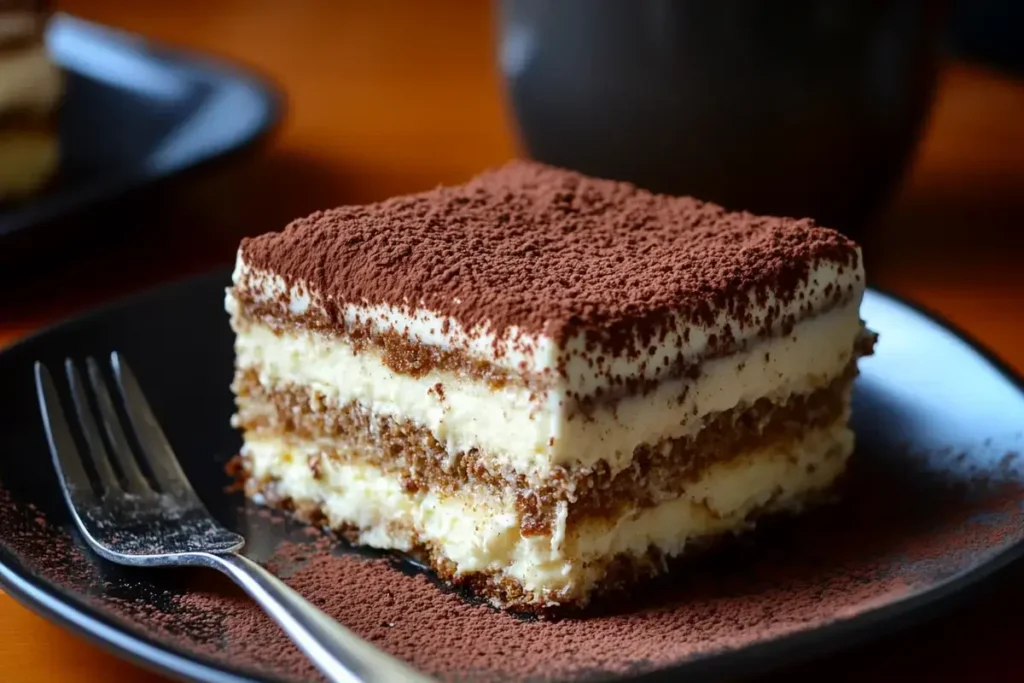
The Mistake: Beating mascarpone too vigorously or for too long, causing it to break and become grainy or watery.
Why It Matters: Mascarpone is delicate and high in fat. Overmixing breaks the emulsion, resulting in a separated, curdled texture that ruins the creamy consistency.
Do This Instead: Fold gently and mix just until smooth. When combining mascarpone with other ingredients, use a spatula and gentle folding motions. If using a mixer, use the lowest speed and stop as soon as it’s combined. The mixture should be creamy and smooth, not whipped and fluffy. Room temperature mascarpone is easier to work with and less likely to break.
Don’t Use Weak Coffee
The Mistake: Using regular drip coffee or instant coffee with too much water.
Why It Matters: Weak coffee creates bland tiramisu. The coffee flavor should be pronounced it’s called “tirami sù” (pick me up) for a reason. The bold coffee balances the rich mascarpone.
Do This Instead: Use strong espresso or very strong brewed coffee. I use a 1:1 ratio when brewing (1 cup coffee grounds to 1 cup water) or pull double espresso shots. Cool it completely before using. The coffee should taste almost too strong on its own it dilutes slightly when absorbed.
Don’t Add Sugar to Your Coffee
The Mistake: Sweetening the espresso or coffee used for soaking.
Why It Matters: The mascarpone mixture is already sweet. Sweet coffee makes tiramisu cloying and one-dimensional. The contrast between bitter coffee and sweet cream is essential.
Do This Instead: Keep your coffee completely unsweetened. Add liquor (Marsala or dark rum) if desired, but never sugar. This bitter element balances the dessert perfectly.
Don’t Substitute Cream Cheese for Mascarpone
The Mistake: Using cream cheese, whipped cream, or other substitutes instead of real mascarpone.
Why It Matters: Mascarpone has a unique sweetness, smoothness, and fat content that cream cheese can’t replicate. Cream cheese is tangy and denser, creating a completely different dessert.
Do This Instead: Use authentic Italian mascarpone. It’s available at most grocery stores now. Yes, it’s more expensive, but it’s the foundation of tiramisu worth the investment. If absolutely necessary, you can blend cream cheese with heavy cream, but know the result won’t be authentic.
Don’t Dust with Cocoa Too Early
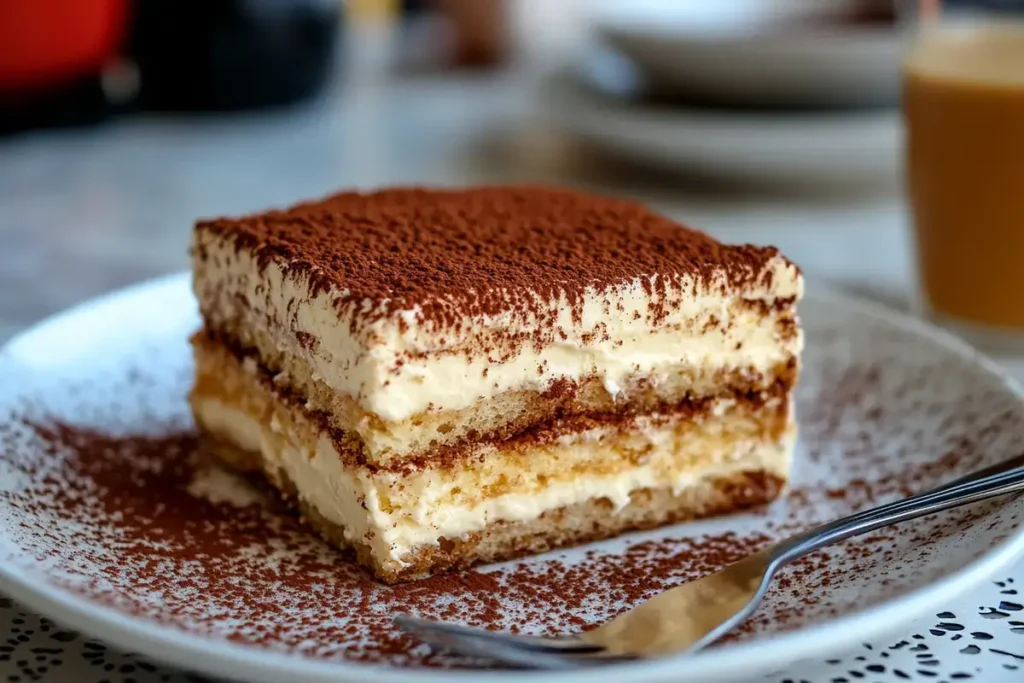
The Mistake: Adding cocoa powder hours before serving, allowing moisture to make it wet and clumpy.
Why It Matters: Cocoa absorbs moisture from the tiramisu, losing its powdery texture and becoming dark and wet-looking.
Do This Instead: Dust with unsweetened cocoa powder right before serving no more than 30 minutes ahead. Use a fine-mesh sieve for even coverage. For parties, I dust just before guests arrive. This keeps the cocoa looking fresh and powdery.
Don’t Use Low-Quality Ingredients
The Mistake: Buying cheap mascarpone, stale ladyfingers, or low-grade cocoa powder.
Why It Matters: Tiramisu has so few ingredients that each one’s quality dramatically impacts the final result. There’s nowhere to hide inferior products.
Do This Instead: Invest in quality mascarpone (BelGioioso is widely available and excellent), Italian Savoiardi biscuits, good espresso, and Dutch-process cocoa powder. The difference is remarkable and worth the extra few dollars.
My Professional Take
After years of making tiramisu, I’ve learned it’s a dessert that rewards patience and restraint. Most mistakes come from rushing (not resting long enough), being too aggressive (overmixing, oversoaking), or taking shortcuts (substituting ingredients).
The beauty of perfect tiramisu is its simplicity but that simplicity requires respecting the technique. Follow these guidelines, avoid these common pitfalls, and you’ll create restaurant-quality tiramisu at home.
Frequently Asked Questions
Can I make tiramisu without raw eggs?
Yes. While traditional tiramisu uses raw eggs, you can make it safely by using pasteurized eggs (available at most grocery stores) or by making cooked zabaglione. Heat egg yolks and sugar in a double boiler to 160°F while whisking constantly, then cool completely before adding mascarpone. Alternatively, use an egg-free version with whipped cream, though the texture will be different from authentic Italian tiramisu.
How long does tiramisu last in the refrigerator?
Properly stored tiramisu lasts 3-4 days covered in the refrigerator. The texture is actually best on day 2 after overnight resting. After day 4, the ladyfingers become too soft and the mascarpone may separate. Always cover tightly with plastic wrap to prevent it from absorbing refrigerator odors. Don’t freeze tiramisu it ruins the texture.
Why did my tiramisu turn out watery?
Watery tiramisu usually results from oversoaking ladyfingers, overmixing mascarpone (causing it to break), or not draining excess coffee from dipped ladyfingers. Make sure you’re doing quick dips only, mixing gently, and letting excess coffee drip off before layering. Also ensure you’re using firm Italian Savoiardi, not soft American ladyfingers.
Can I assemble tiramisu in individual servings instead of one large dish?
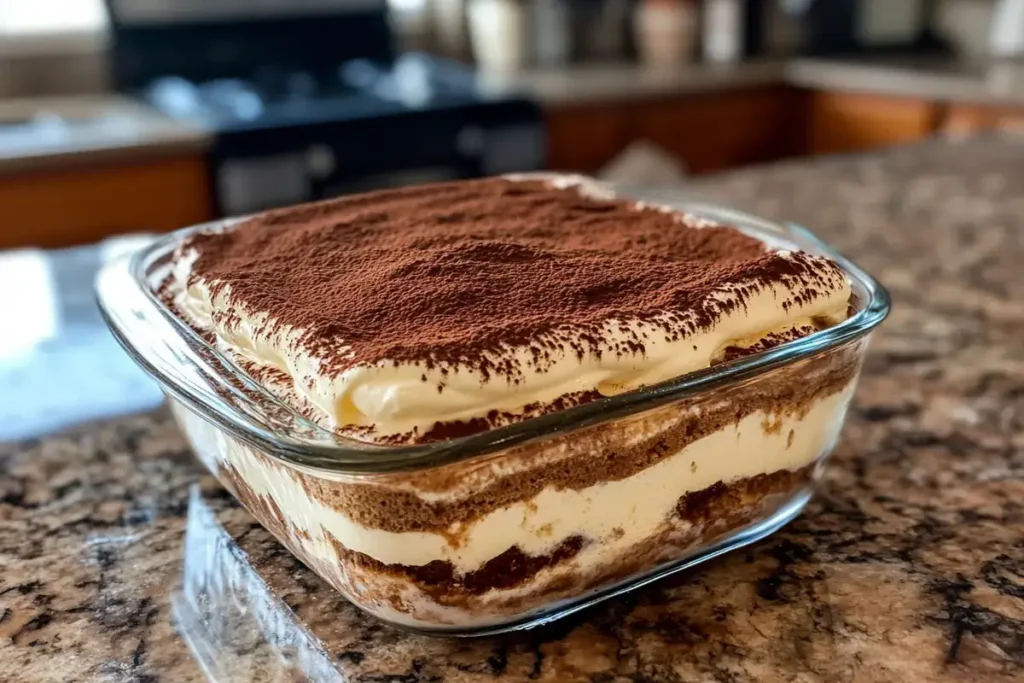
Absolutely! Individual portions in glasses or ramekins work beautifully and make elegant presentations. The technique is identical layer coffee-dipped ladyfingers (you may need to break them to fit) with mascarpone mixture. Individual portions actually allow better portion control and easier serving. Just remember to still refrigerate for at least 6 hours before serving.