
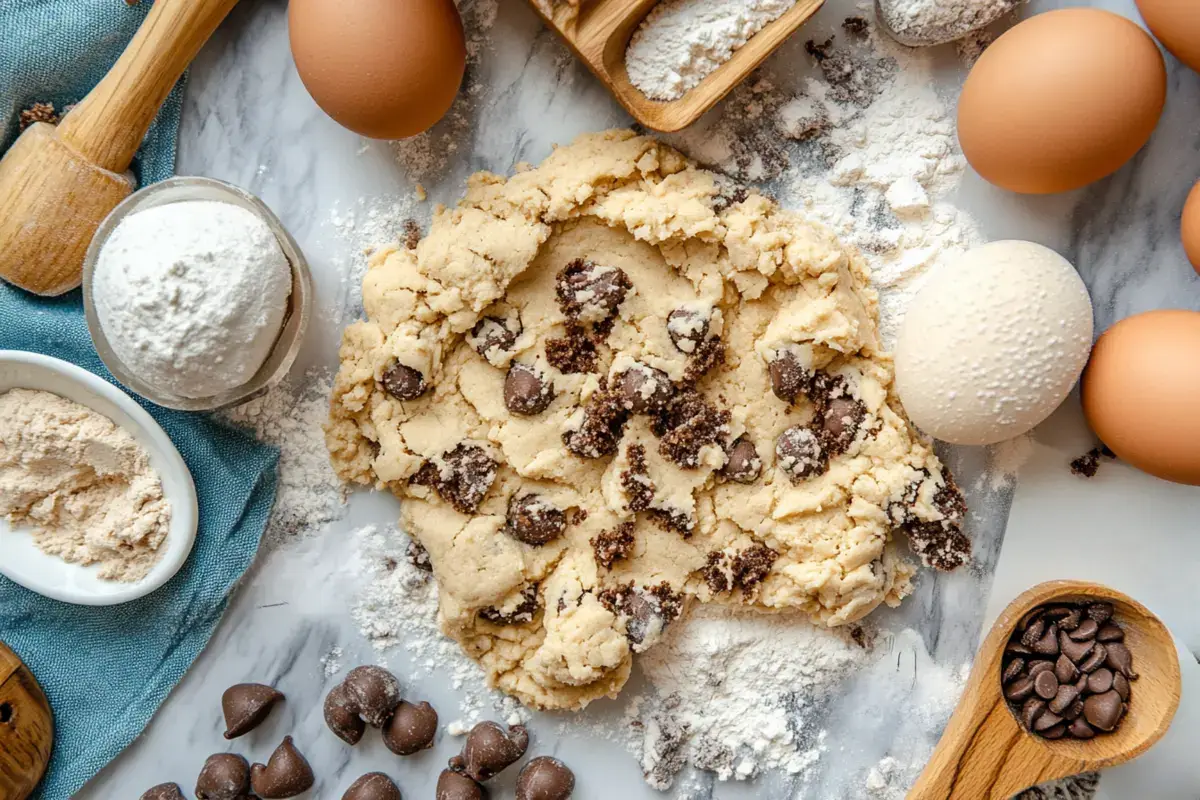
Hey everyone, Jessika here! I’ll never forget the first time I swapped gluten-free flour into my grandmother’s chocolate chip cookie recipe , let’s just say the results were… interesting. After years of testing and literally hundreds of batches later, I’ve learned exactly what happens when you use gluten-free flour in cookies and, more importantly, how to make it work beautifully. Let me share what really goes on in your mixing bowl and oven.
Understanding the Gluten Difference
First, let’s talk about what you’re actually removing. Gluten is a protein found in wheat that creates structure and elasticity in baked goods. When you mix regular flour with liquid, gluten strands form and create that stretchy, cohesive dough that holds cookies together.
When you use gluten-free flour, those protein strands simply don’t exist. This fundamentally changes how your cookies behave from mixing through baking to final texture.
Texture Changes You’ll Notice
Crumblier Structure
Without gluten’s binding power, gluten-free cookies tend to be more delicate and crumbly. They might fall apart more easily, especially right out of the oven. This isn’t necessarily bad , think shortbread texture , but it’s different from chewy traditional cookies.
Drier Mouthfeel
Gluten-free flours, particularly rice flour blends, can absorb moisture differently than wheat flour. Your cookies might feel drier or slightly grittier unless you adjust your recipe. I’ve found that adding an extra egg yolk or tablespoon of butter helps tremendously.
Denser or Grainier Cookies
Some gluten-free flour blends create a denser cookie, while others can leave a slightly grainy texture, especially if they contain coarse rice flour. The quality of your flour blend makes an enormous difference here.
How Spreading and Rising Changes
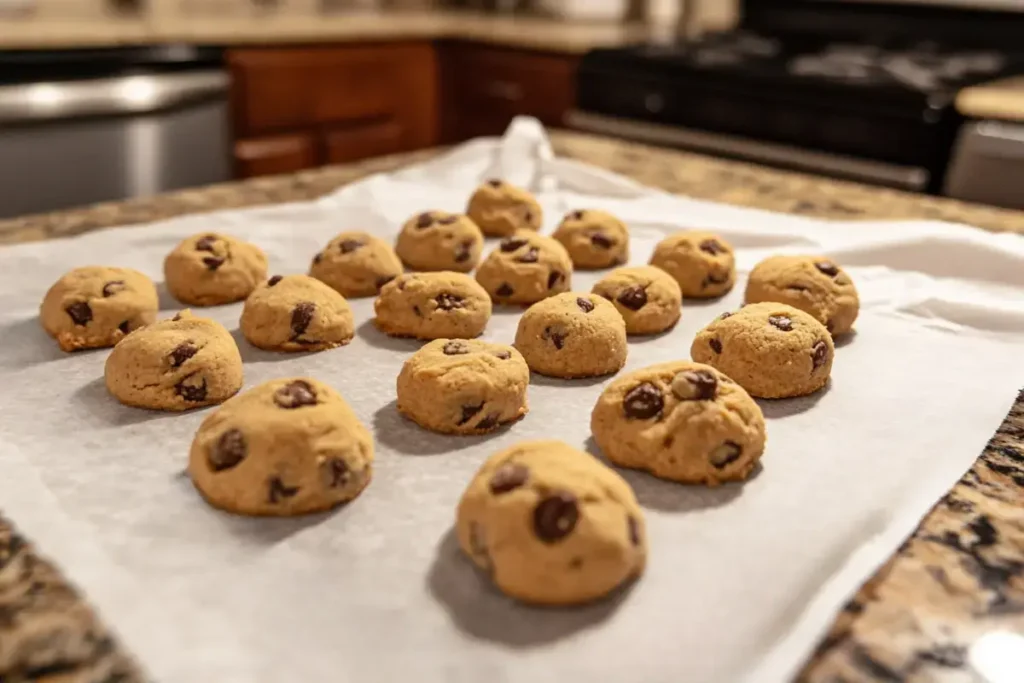
Gluten-free cookie dough often spreads differently during baking. I’ve experienced both extremes:
Too much spreading: Without gluten’s structure to hold shape, cookies can spread thin and flat. Chilling your dough for at least 30 minutes before baking helps significantly.
Not enough spreading: Sometimes gluten-free cookies stay too thick and don’t flatten properly. Adding slightly more liquid or fat can help.
The rise is also affected. You might notice less vertical lift since gluten normally traps air bubbles that create height and texture.
Flavor Differences
Here’s something most bakers don’t expect gluten-free flour can actually change the taste of your cookies.
Bean flour blends can impart a slightly earthy or beany flavor.
Rice flour blends tend to be more neutral but sometimes add a subtle grittiness.
Almond flour creates richer, nuttier cookies with amazing flavor.
Coconut flour adds a distinct coconut taste and creates a cakier texture.
I’ve learned to embrace these flavor differences rather than fight them, often enhancing recipes with vanilla extract, almond extract, or spices to complement the flour’s natural taste.
Mixing and Handling Differences
Gluten-free dough behaves differently in your hands. It’s often:
- Stickier initially, requiring more chilling time
- More fragile when rolling or cutting shapes
- Less elastic, so it won’t bounce back when pressed
- Shorter-lived, meaning you should bake it within a day or two for best results
I always dust my work surface generously with gluten-free flour when rolling and use parchment paper to prevent sticking.
Common Problems and Solutions
Issue: Cookies Fall Apart
Solution: Add xanthan gum (¼ teaspoon per cup of flour) or an extra egg for binding.
Issue: Dry, Crumbly Texture
Solution: Increase fat by 2 tablespoons or add an extra egg yolk. Let cookies cool completely before handling.
Issue: Grainy Texture
Solution: Use a finely-milled flour blend or add almond flour for smoothness. King Arthur and Bob’s Red Mill offer excellent fine-textured blends.
Issue: Flat, Spread-Out Cookies
Solution: Chill dough for 30-60 minutes, reduce liquid slightly, or add 2-3 tablespoons more flour.
The Good News
Despite these challenges, gluten-free cookies can be absolutely incredible when you understand what’s happening. I’ve made gluten-free cookies that my gluten-eating friends actually prefer because they’re more tender and have a delicate, melt-in-your-mouth quality.
The key is adjusting your expectations and techniques rather than expecting identical results to wheat-based cookies.
My Best Advice
Don’t just swap flour 1-to-1 in your favorite recipe and hope for the best. Either use a recipe specifically developed for gluten-free flour, or be prepared to experiment with ratios of liquid, fat, and binding agents.
Invest in quality flour blends , it genuinely matters. The difference between a good gluten-free cookie and a mediocre one often comes down to flour quality.
Remember that gluten-free cookies often improve after sitting for a few hours as moisture redistributes throughout.
FAQs
Q: Can I substitute GF flour 1-to-1 in any cookie recipe?
A: Only if using a “1-to-1” blend specifically designed for baking. Even then, expect slight texture and taste differences.
Q: Why do my GF cookies fall apart?
A: Lack of binding. Add xanthan gum if your flour doesn’t contain it, or use an extra egg or increase butter for better structure.
Q: Do GF cookies taste worse?
A: Not worse, just different. Quality flour blends and proper technique create delicious cookies that can rival traditional versions.
Q: How do I prevent graininess?
A: Use finely-milled blends, incorporate almond flour, or let dough rest 30 minutes before baking to allow flour to hydrate fully.